

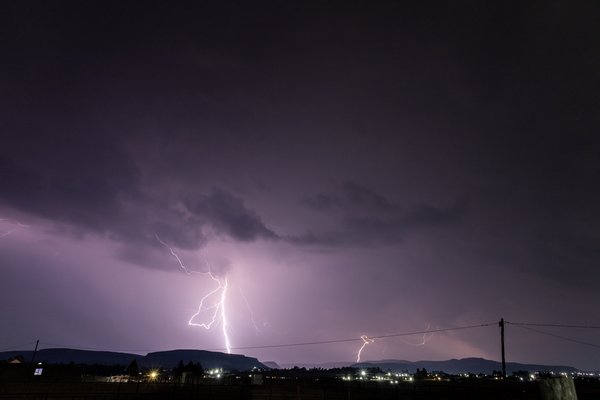
Lightning is one of the few hiking hazards where a decision made 30 or 60 minutes earlier can matter more than anything you do once the storm is overhead. On an exposed ridge, summit, alpine meadow, or open slope, there may be no truly safe place to wait it out. Good lightning safety for hikers therefore starts with route timing, forecast checks, and a willingness to turn around before the first rumble of thunder.
Plan the Hike Around the Weather, Not the Other Way Around
Check the latest local forecast before leaving, paying attention to thunderstorm timing as well as the overall chance of rain. In many mountain regions, storms are more common later in the day during certain seasons, but that pattern is not universal. An early start can reduce exposure on some routes, yet it should never replace a current forecast.
Look at the route itself. Mark exposed summits, long ridgelines, treeless passes, lakeshores, boulder fields, and sections where descending to lower terrain will take time. If hiking thunderstorms are possible, decide in advance where you will turn around and how early you need to clear exposed terrain. A useful related planning topic is mountain hiking weather guide, especially for routes where ridge hiking weather can change quickly.
Build a turnaround time into the day
Suppose a summit is two hours from the trailhead and the final 45 minutes follows an open ridge. If thunderstorms are expected from early afternoon, reaching the ridge shortly before that window is not a good reason to “see how it looks.” The safer decision is to set a firm time for leaving exposed terrain and turn around if the schedule slips. Mountain lightning safety depends heavily on avoiding the trap of being committed to a high point when conditions deteriorate.
Know When the Storm Is Close Enough to Act
Do not wait for rain to begin. Official lightning guidance is simple: if you can hear thunder, lightning is close enough to strike you. Darkening clouds, rapidly growing towers of cloud, visible flashes, gusty winds, or distant thunder are all reasons to reassess immediately, but thunder itself should trigger action toward safe shelter.
If a substantial building or an enclosed, metal-topped vehicle is reachable, go there promptly. Small open shelters, tents, picnic pavilions, cliff overhangs, and shallow caves are not safe lightning shelters. Once inside a safe building or vehicle, remain there for at least 30 minutes after the last sound of thunder before resuming the hike.
If You Are Caught Outside, Reduce Exposure
There is no completely safe place outdoors during a thunderstorm. If safe shelter is unavailable, the goal is not to find a magical “safe spot,” but to move away from the highest-risk terrain while continuing toward better protection.
Get off summits, ridges, high points, and exposed slopes as quickly and safely as conditions allow. Move toward lower terrain and, where appropriate, a forested area with trees of relatively similar height rather than an isolated tall tree. Stay away from lakes, ponds, streams, wet gullies, metal fences, power lines, and other conductive features. Do not shelter under a lone tree or press yourself against a cliff or rock overhang.
Do not lie flat on the ground. Lying down increases the amount of your body in contact with the surface, which can increase exposure to ground current from a nearby strike. Keep moving toward safer terrain or shelter if you can do so without creating another serious hazard such as a fall.
Spread out if you are hiking in a group
If several hikers are caught outside, avoid clustering tightly together. Separating the group reduces the chance that one lightning event incapacitates everyone at once and leaves no one able to provide first aid or call for help. Maintain communication and visibility where possible while moving toward the same safer destination.
Terrain Choices Matter More Than Small Gear Decisions
Hikers sometimes focus on whether trekking poles, metal backpack frames, or other equipment “attract” lightning. The more useful question is where you are standing. Being the highest object on an exposed ridge, standing beside an isolated tree, or remaining on open ground during a storm is a more important risk-management issue than trying to make your pack lightning-proof.
That is why storm safety hiking plans should prioritize terrain and timing: descend early, avoid exposed high points, know the nearest substantial shelter, and keep enough time in reserve to reach it. For broader preparation, hiking emergency essentials and adventure travel packing checklist are natural companion topics, but no item in a backpack can make exposed terrain safe during active lightning.
What to Do If Someone Is Struck
A person struck by lightning does not retain an electrical charge and is safe to touch. Call local emergency services as soon as possible. If the person is not breathing or has no signs of circulation, begin appropriate first aid, including CPR and use of an AED if one is available and you are trained or able to follow device instructions. Continue monitoring the person while arranging evacuation or rescue.
If the scene remains exposed to lightning, avoid creating additional victims. Move the injured person to a safer location if this can be done without causing further harm and without placing rescuers in greater danger.
FAQ
Should I keep hiking if I hear thunder but cannot see lightning?
No. Hearing thunder means lightning is close enough to pose a threat, even if the sky above you is not yet raining. Leave exposed terrain and move toward a substantial building or enclosed metal-topped vehicle if one is available.
Is a tent safe during a lightning storm?
No. A tent is not a safe lightning shelter. It may protect you from rain and wind, but it does not provide the protection of a substantial building or enclosed metal-topped vehicle.
Is it safer to stand under a tree?
An isolated tree is a poor shelter choice and should be avoided. If you are in a forest with no safe building or vehicle available, lower terrain among a group of shorter, similarly sized trees is generally preferable to an exposed ridge or a lone tall tree.
How long should hikers wait after thunder stops?
Wait at least 30 minutes after the last sound of thunder before leaving safe shelter or returning to exposed outdoor activity. A break in the rain is not the same as the storm being over.
Make the Safe Decision Earlier
The strongest lightning plan is the one that keeps you from improvising on a ridge with thunder getting louder. Check the forecast, understand the exposed sections of your route, start with enough time to descend, and set a turnaround point before conditions become urgent. When thunder is heard, act immediately. Giving up a summit is inconvenient; being trapped above treeline in an electrical storm is a far more serious problem.
