

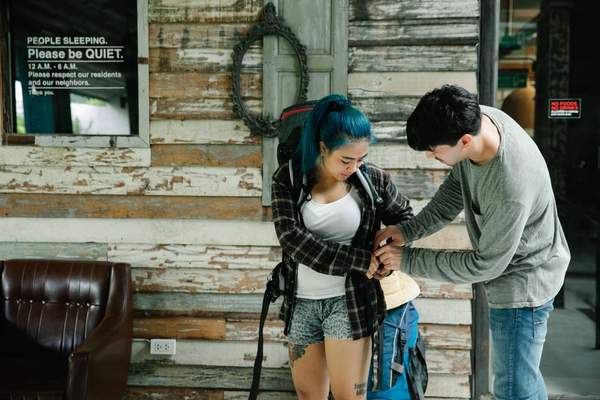
Backpacking does not have to begin with an expensive gear haul or a long-haul flight. For most first-time travellers, the smartest route is to start small: choose a nearby destination, borrow or buy only the essentials, and learn what you actually use before spending more. That lowers the financial barrier and makes the first trip less intimidating.
If you are learning how to start backpacking on a budget, think of the trip as a series of spending decisions rather than one big purchase. Transport, accommodation or campsite fees, food, gear and activities all compete for the same budget. Saving a little in several categories usually matters more than finding one dramatic bargain.
Start With a Short, Low-Cost First Trip
A weekend or three-day trip is ideal for learning backpacking basics without committing to a large budget. Pick somewhere you can reach by bus, train, shared ride or a short drive. A nearby trail, hostel town or low-cost city break can teach you more about packing and planning than buying premium equipment at home.
For example, instead of booking a week abroad, plan two nights within a few hours of home. Set a fixed total budget before choosing accommodation and transport. If the route requires permits, campsite reservations or food-storage equipment, check the official destination website before paying for anything else. Late surprises can turn a cheap trip into an expensive one.
Build a Budget Before You Buy Gear
Separate your money into four categories: getting there, sleeping, eating and everything else. Put transport and accommodation first because they are often the least flexible costs. Then decide what remains for food, gear and activities.
Budget backpacking for beginners also works better with a small emergency reserve. Do not plan to spend every pound, dollar or euro available. A missed connection, unexpected hostel night or changed route is easier to handle when you have a buffer.
Track the Cost Per Day
After the major bookings are made, divide your remaining trip budget by the number of travel days. That gives you a useful daily spending ceiling. It also makes trade-offs clear: an expensive attraction today may mean cooking your own dinner or choosing a free activity tomorrow.
Buy Less Gear Than You Think You Need
The fastest way to make backpacking expensive is to treat a first trip like a full equipment upgrade. Start with what you already own. Comfortable clothing, a refillable bottle, basic toiletries, a phone charger and a weatherproof layer may already cover much of what you need.
If you are hiking and camping overnight, prioritise safety-critical items and fit. A comfortable backpack, weather-appropriate shelter, a suitable sleep system, navigation, water treatment where needed and reliable footwear matter more than fashionable accessories. Borrowing, renting and buying used gear can reduce the upfront cost substantially.
Compare your packing list with a beginner backpacking gear checklist, then remove items that solve problems you are unlikely to face on this trip. Packing lighter can also save money when transport operators charge for larger bags.
Choose Transport With the Full Cost in Mind
Cheap backpacking trips often begin with flexible transport rather than a famous destination. Compare buses, trains, budget flights, car sharing and overnight travel where appropriate. Travelling one day earlier or later can reduce fares, but include baggage charges, station transfers and any extra accommodation in the comparison.
If you fly with camping equipment, check airline and security rules before packing. Fuel and gas cartridges are commonly restricted, and stove requirements differ by jurisdiction. Never assume that because an item is normal on a trail it is automatically allowed on an aircraft.
Spend Less on Accommodation Without Sacrificing Safety
Hostels, simple guesthouses, campsites and shared rooms can keep costs down, but the cheapest listing is not automatically the best value. Look at location, transport access, kitchen facilities, secure storage and recent guest feedback. A room far outside town can cost more once daily transport is added.
For hikers, official campsites can be inexpensive, but backcountry travel may involve permits, reservations, seasonal closures or food-storage rules. Check the managing authority before you go. Planning ahead can prevent wasted transport costs and last-minute accommodation spending.
Use Food to Control Your Daily Budget
Food is one of the easiest areas to overspend because small purchases add up quietly. Use supermarkets, local markets and hostel kitchens when available. Carry a simple breakfast and snacks, then choose one meal each day where you genuinely want to spend more.
For trekking, plan food around weight, calories, storage and preparation rather than buying expensive specialist meals by default. Oats, tortillas, nut butter, dried fruit, noodles and shelf-stable snacks can work well depending on the route and local conditions. Always follow local wildlife and food-storage guidance.
Make Free Experiences Part of the Plan
Build the itinerary around experiences that cost little or nothing: walking routes, public beaches, viewpoints, parks, free museum days, neighbourhoods and self-guided trails. Then spend deliberately on one or two activities that matter most.
A practical guide to saving money while travelling can help with transport passes, meal planning and convenience fees, while a lightweight packing guide can reduce duplicate clothing and unnecessary gadgets.
Plan for Conditions, Not Every Possibility
Check the weather, trail conditions and local regulations shortly before departure. Outdoor authorities commonly advise travellers to know their route, plan for conditions and share an itinerary with someone at home. In natural areas, use durable surfaces, pack out waste, respect wildlife and follow local fire rules.
FAQ
How much money do I need to start backpacking?
There is no universal amount because costs depend on destination, trip length and whether you already own suitable gear. A short local trip can be far cheaper than an international journey. Set a total budget first, price transport and sleeping costs, then build the rest around what remains.
Should beginners buy expensive backpacking gear?
Usually not. Buy quality where safety, comfort or fit matter, but borrow, rent or buy used equipment when possible. After one or two trips, you will know which upgrades are genuinely worth paying for.
What is the cheapest way to travel while backpacking?
Buses, regional trains, shared transport and off-peak fares are often good options, but the cheapest ticket is not always the lowest total cost. Include baggage fees, transfers and extra accommodation when comparing routes.
Is backpacking on a budget still safe?
It can be, provided cost-cutting does not replace basic planning. Keep an emergency reserve, research the route, use reputable accommodation, check official rules and conditions, and tell someone your itinerary when heading into remote areas.
Start Cheap, Learn Fast, Upgrade Later
The best first backpacking trip is not the one with the newest gear or the most ambitious route. It is the one you can afford, plan confidently and finish wanting to travel again. Start close to home, keep the trip short, spend carefully on the essentials and treat your first journey as a test run. Once you know your travel style, future purchases and bigger trips become easier to justify.
