

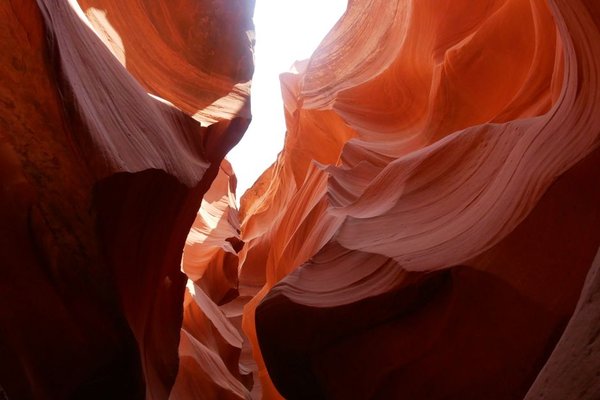
Canyoneering turns a canyon into a full-route problem rather than a simple trail. A single day can involve hiking, scrambling, route finding, downclimbing, rappelling, wading, swimming, and long stretches where turning around is difficult or impossible. That combination is what makes canyoneering trips in the USA so rewarding, but it also means route choice should be based on more than scenery or mileage.
Start With the Canyon’s Real Difficulty
Two routes of similar length can demand very different skills. One may be mostly dry hiking with a short rappel, while another can involve repeated rope work, narrow slots, cold pools, awkward downclimbs, and no practical escape once the technical section begins. Before choosing a canyon, read a current route description and check the longest rappel, number of rappels, water expectations, approach and exit distance, navigation complexity, and whether access conditions are known to change.
Rappels Are Only One Part of the Problem
People often focus on rappelling canyons, yet rope descent is only one skill in technical canyoneering. Safe movement on exposed terrain, communication, downclimbing judgment, navigation, and problem-solving matter just as much. A group that is comfortable on a climbing wall may still be unprepared for a remote slot where wet ropes, poor footing, limited visibility, and fatigue appear together.
Water Can Change the Character of a Route
A canyon described as moderate when dry can become far more serious when pools are deep, water is flowing, or temperatures are low. Cold water increases hypothermia risk, and swimming with a pack can consume more energy than expected. Conditions can also change after storms as sand, logs, debris, and pool depth shift. For slot canyon trips involving water, thermal protection should match current conditions rather than the season on a calendar.
Weather and Flash Floods Deserve Route-Level Planning
Flash flooding is one of the defining hazards of desert canyoneering USA routes. Rain does not have to fall directly overhead to create dangerous water in a narrow canyon; runoff from an upstream drainage can arrive quickly. A clear sky above the entry point is not enough reassurance. Check an authoritative weather forecast, local flash-flood guidance, and current land-manager alerts before committing.
Watch conditions during the trip as well. Building clouds, thunder, rising or muddy water, floating debris, a stronger current, or an increasing roar from upstream are serious warning signs. Forecasts reduce uncertainty but never eliminate it. If the weather picture is questionable, choosing another canyon or postponing the trip is better than trying to beat a storm into a slot.
Think About Exits Before You Enter
Commitment is one of the biggest differences between ordinary hikes and canyon adventure trips. Some canyons have frequent escape points; others become enclosed after the first rappel, making retreat difficult. Study where the last practical exits are, how long the technical section normally takes, and what the exit hike demands after the group is already tired.
A useful habit is to set turnaround times before starting. If the approach takes longer than expected, the group should already know when to abandon the objective. This matters even more when shuttle logistics, limited daylight, cold water, or a strenuous exit are part of the route.
Match Equipment to the Specific Canyon
There is no universal canyoneering packing list because routes vary widely. Technical trips commonly require a helmet, harness, rappel device, suitable ropes, navigation tools, first-aid supplies, food, water, and clothing appropriate for abrasion and temperature. Wet routes may require a wetsuit or other thermal protection. Remote routes can justify a satellite communicator, although carrying one does not guarantee a quick rescue.
Equipment only helps when the group knows how to use it. Before attempting a technical canyon independently, participants should be competent with the rope systems and problem-solving skills required by that route. Practice belongs in a controlled setting, not for the first time above an isolated rappel.
Permits, Access, and Guides Vary by Destination
Rules differ across national parks, federal lands, state lands, tribal lands, and private property. Some routes require permits, impose group-size limits, restrict access, or use reservation systems. Zion National Park, for example, requires Wilderness Permits for technical canyoneering trips involving descending gear or ropes, and some popular routes use advance reservations or lotteries. Always check the current rules for the exact canyon.
A qualified local guide can help travelers experience technical terrain without independently managing every system. Guides can also help newer participants understand movement, rope handling, local conditions, and route selection. Ask what physical demands, water exposure, rappel heights, and approach or exit hiking are expected.
A Practical Route-Choice Example
Imagine two friends planning their first technical canyon after years of hiking. They find a photogenic route with multiple rappels and a long enclosed section, but recent reports mention deep cold pools and no easy escape after the first major drop. A second route has simpler rappels, a shorter technical section, easier navigation, and dry conditions. The second route is the better progression because it lets them build canyon-specific skills without stacking too many hazards at once.
That principle works across the country: increase one variable at a time. Add longer rappels, more water, harder navigation, tighter slots, or greater remoteness gradually instead of combining all of them on the next trip.
Useful Planning Topics to Review
Before departure, related resources on adventure travel safety checklist, hiking navigation basics, and desert weather planning can strengthen the trip plan. Treat them as supporting preparation, not substitutes for a current route description and official information for the canyon itself.
Frequently Asked Questions
Where are canyoneering trips most common in the USA?
The Colorado Plateau, especially parts of Utah and Arizona, is famous for sandstone slot canyons, but canyoneering also takes place in mountain and desert areas elsewhere in the country. The style varies by region, from dry technical descents to routes with flowing water and waterfalls.
Do I need a permit for canyoneering in the USA?
Sometimes. Permit requirements depend on the land manager and route. Popular national-park canyons may require advance reservations or permits, while other public-land routes may have different rules. Check the official information for the exact destination before traveling.
Can beginners go canyoneering without a guide?
Nontechnical canyon hikes may suit beginners who have the required navigation and outdoor skills. Technical routes involving rappels should not be attempted independently until the group has the necessary rope, rescue, route-finding, and hazard-management competence. A reputable guide or formal instruction can provide a safer introduction.
What is the biggest hazard on slot canyon trips?
There is no single hazard on every route, but flash floods, falls, rope-system errors, cold water, navigation mistakes, and delayed exits can all become serious. Evaluate how those hazards interact on the specific route and under current conditions.
Choose the Canyon That Fits the Day
The best canyoneering trip is not necessarily the longest, narrowest, or most technical. It is the route that matches the group’s skills, equipment, current conditions, weather window, access rules, and available daylight. When those pieces line up, canyoneering becomes a memorable blend of movement and problem-solving rather than a chain of avoidable emergencies. Build experience progressively, verify conditions close to departure, and keep a realistic backup route in the plan.
