

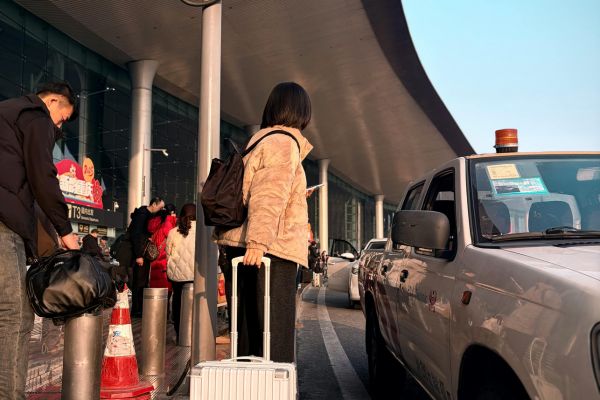
Travel is often imagined as movement toward something exciting: a new city, a long-awaited reunion, a quiet beach, or a fresh beginning. Yet sometimes a journey begins under entirely different circumstances. Flights are disrupted, borders change, communication becomes uncertain, and the simple act of reaching a destination turns into a test of patience and judgment.
Traveling during a crisis can expose people to fear, confusion, and exhaustion. It can also reveal extraordinary resilience. In airports, bus stations, roadside shelters, and unfamiliar towns, travelers often discover that strength does not always look dramatic. Sometimes it means staying calm for one more hour, sharing a phone charger, helping a stranger understand an announcement, or accepting that the original plan no longer matters.
These journeys are rarely remembered for comfort. They are remembered for the way people responded when certainty disappeared.
When an Ordinary Journey Changes Without Warning
A crisis does not always announce itself clearly. It may begin with a delayed flight, a sudden weather alert, a transport strike, a political disturbance, or a message from home urging someone to return immediately.
At first, travelers may assume the disruption will pass quickly. They wait beside departure boards, refresh news pages, and hold tightly to their original schedule. Gradually, however, the atmosphere changes. Lines grow longer. Staff members provide fewer answers. People begin calling relatives, searching for alternative routes, and quietly calculating how much food, money, or medication they have left.
The emotional shift can be unsettling. A place that felt temporary and familiar becomes unpredictable. Even experienced travelers may feel powerless when plans depend on decisions being made far away.
In these moments, resilience begins with accepting reality. This is harder than it sounds. People naturally want to restore the journey they had planned, but a crisis often requires a different question: not “How do I continue as expected?” but “What is the safest and most realistic next step?”
The Weight of Uncertainty
One of the hardest parts of traveling during a crisis is not knowing what will happen next. A delay with a clear ending is inconvenient. A delay without reliable information is emotionally draining.
Uncertainty affects every decision. Should a traveler stay where they are or try another route? Is it safer to remain indoors or move toward a transport hub? Will accommodation still be available by nightfall? Are official instructions current, or have conditions already changed?
Under stress, even small choices can feel overwhelming. Hunger, lack of sleep, unfamiliar surroundings, and poor internet access make clear thinking more difficult. That is why people who cope best are not always those with the most experience. Often, they are the ones who can slow down, separate verified information from rumor, and focus on one decision at a time.
Resilience in a crisis is rarely about feeling fearless. It is about functioning despite fear.
Strangers Become Temporary Communities
Normal travel encourages independence. People move through stations with headphones on, avoid eye contact, and concentrate on their own bags and schedules. A crisis can break those invisible walls within minutes.
A traveler who understands the local language may begin translating announcements for others. Someone with a working power bank offers charging time to people whose phones are dying. Families share snacks with elderly passengers. A group of strangers watches one another’s luggage while each person searches for information.
These small acts create temporary communities. The people involved may never meet again, yet for a few hours they depend on one another.
There is something deeply human about this shift. In uncertain situations, travelers often stop seeing one another as competitors for seats, taxis, or hotel rooms. They begin recognizing shared vulnerability. Everyone is tired. Everyone wants to feel safe. Everyone is trying to reach someone or somewhere.
Not every crisis produces kindness, of course. Stress can also bring impatience, selfishness, and conflict. Still, stories of cooperation appear again and again because difficult journeys remind people that independence has limits.
The Quiet Strength of Local People
Travelers often focus on their own difficulties during a crisis, but local residents may be facing far greater disruption. Their homes, businesses, schools, transport systems, and communities are directly affected, while visitors may eventually leave.
Even so, local people frequently become the most important source of support.
A hotel worker may remain on duty long after their shift ends because guests have nowhere else to go. A taxi driver may explain which roads are open. A shop owner may allow stranded passengers to wait indoors. A family may offer water, blankets, or a place to charge a phone.
These gestures can feel life-changing to someone who is frightened and far from home. Yet they may be offered by people who are also worried about their own relatives and safety.
Traveling during a crisis can therefore create a sharper awareness of privilege and perspective. The traveler’s disrupted holiday or business trip may be stressful, but for residents, the crisis is not a temporary interruption. It is part of their daily reality.
Recognizing this difference encourages humility. Gratitude matters, but so does respect. Travelers should avoid treating local hardship as an exciting story or dramatic backdrop. Real communities are living through the consequences long after visitors have moved on.
Plans Give Way to Priorities
In ordinary travel, people think about reservations, sightseeing schedules, and whether they will arrive in time for dinner. During a crisis, priorities become much simpler.
Safety comes first. Then communication, shelter, food, water, medication, and reliable transportation. Everything else becomes secondary.
This change can be strangely clarifying. A missed tour no longer matters. A nonrefundable booking feels less important. The suitcase packed with carefully chosen clothes becomes less useful than a charged phone, a bottle of water, identification documents, and a small amount of accessible cash.
People often discover that they can adapt more quickly than they expected. They sleep in uncomfortable places, wear the same clothes for another day, change routes repeatedly, or accept help from people they have just met.
Adaptability does not erase the difficulty, but it prevents disappointment from becoming paralysis. Once travelers let go of the journey they expected, they can begin managing the journey they actually have.
Fear, Responsibility, and Difficult Decisions
Not every traveler experiences a crisis in the same way. Someone traveling alone may worry about isolation. Parents may feel responsible for keeping children calm while privately managing their own fear. Older travelers or people with health conditions may face additional risks. Those who do not speak the local language may struggle to understand urgent instructions.
These differences shape decisions. What feels manageable for one person may be unsafe for another.
Responsible travel during a crisis means avoiding unnecessary risk, even when that choice is disappointing. It may require cancelling plans, staying inside, leaving an area earlier than expected, or following official guidance that changes without much warning.
There can also be pressure to appear brave. Social media has encouraged the idea that every difficult journey should become an adventurous story. But courage does not mean ignoring danger. Sometimes the most resilient decision is the least dramatic one: waiting, turning back, or asking for help.
The Long Journey Home
Returning home after a crisis can bring relief, but it may also feel emotionally complicated. Travelers often expect the stress to disappear once they arrive, yet the body and mind do not always recover immediately.
After days of constant alerts and decisions, ordinary silence can feel strange. People may replay moments when they felt trapped, helpless, or unsure. They may also feel guilt about leaving behind those who continue to face the crisis.
At the same time, gratitude becomes more vivid. A familiar bed, a working phone signal, a warm meal, and the presence of loved ones can feel newly significant.
The stories told afterward are often a mixture of fear and appreciation. People remember what went wrong, but they also remember who helped them. The airport employee who found an alternative route. The stranger who shared a meal. The relative who stayed awake through the night waiting for updates.
These details become the emotional map of the journey.
What Crisis Travel Teaches Us
Traveling during a crisis strips away many of the illusions associated with movement. It reminds us that borders can close, systems can fail, and carefully made plans can disappear in a few hours.
But it also reveals something hopeful. People can adapt. Communities can form quickly. Kindness can survive in crowded, stressful places. A person who begins a journey feeling completely unprepared may discover patience, courage, and practical strength they did not know they possessed.
The lesson is not that crisis makes travel meaningful or that difficult experiences should be romanticized. Fear, displacement, and danger are not gifts. Still, people often find meaning in the way they respond and in the connections formed along the way.
Resilience Beyond the Road
Traveling during a crisis is not defined only by disruption. It is defined by choices made under pressure: whether to remain patient, whether to help someone else, whether to listen carefully, and whether to accept that safety matters more than pride or plans.
The most powerful stories from these journeys are rarely about dramatic escapes. They are about ordinary people continuing through extraordinary uncertainty. They share information, protect their families, comfort strangers, and take the next sensible step even when the full path remains unclear.
Long after the crisis has passed, the memory of inconvenience may fade. What remains is a clearer understanding of human vulnerability and strength. A journey that began with fear may end with gratitude—not for the crisis itself, but for the resilience, compassion, and unexpected solidarity that carried people through it.
