

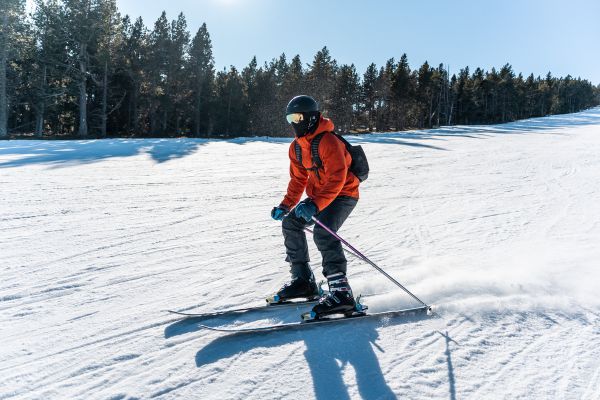
Snow has a way of making the world feel new. Mountains become quieter, trees wear white edges, and familiar landscapes turn dramatic. For many people, skiing is the most exciting way to experience that world. It combines movement, scenery, challenge, and pure play in a way few activities can match. Yet for first-timers, it can also look intimidating.
That is why a clear guide to skiing for beginners matters. Skiing often appears effortless when experienced people glide past confidently, but everyone starts the same way—awkward boots, uncertain balance, and a lot of small stumbles. The learning curve is real, but so is the reward.
You do not need to be fearless or athletic to begin. You only need patience, warm clothing, and a willingness to laugh at yourself occasionally.
Why Skiing Feels Hard at First
Many beginner sports ask you to use familiar movement patterns. Skiing does not. Your feet are attached to long boards, the ground is slippery, and gravity is suddenly a major participant.
That combination can feel strange during the first hour. Standing up, sliding a little, stopping, and turning all require new coordination.
The good news is that discomfort at the start is normal. It does not mean you are bad at skiing. It means you are learning something genuinely new.
Dress for Comfort, Not Fashion
A better day on the mountain usually begins with better clothing.
Layering is key. A moisture-wicking base layer helps keep sweat away from skin. An insulating middle layer adds warmth. A waterproof outer jacket and pants protect against wind and snow.
Gloves, warm socks, goggles, and a helmet matter too. Cold hands or wet clothing can drain energy quickly and make learning harder than it needs to be.
When people struggle early, discomfort is often part of the reason.
Renting Gear Is Smart for Beginners
Buying equipment before your first trip is rarely necessary. Renting skis, boots, and poles lets you try the sport without a major commitment.
Rental shops can match gear to your height, weight, and skill level. Beginner skis are usually more forgiving and easier to control than advanced setups.
Boot comfort matters especially. They should feel snug and supportive, not painfully tight. If something feels wrong, ask for adjustments early rather than suffering through the day.
Take a Lesson Early
One of the best decisions in skiing for beginners is taking a professional lesson. Many people assume they will save money by learning from friends, but friends often ski too fast, explain poorly, or forget what beginners actually need.
An instructor teaches fundamentals in the right order: stance, stopping, turning, lift safety, and confidence. They also correct small habits before they become frustrating problems.
Even a short lesson can dramatically improve the first experience.
Learn How to Stand and Move
Before speed comes balance. Good beginner stance usually means knees slightly bent, weight centered, hands forward, and body relaxed rather than rigid.
New skiers often lean back because they feel nervous. It seems logical, but it reduces control. Staying centered over the skis gives better steering and balance.
Movement on flat snow is also worth learning. Sliding one ski at a time, stepping sideways, and shuffling gently can make the whole mountain feel less confusing.
Master the Snowplow Stop
Stopping is freedom. Once beginners can control speed and stop intentionally, fear usually drops.
The snowplow, or wedge position, is commonly taught first. Ski tips move closer together while tails move wider apart, creating resistance that slows the skis.
It may not feel elegant, but it works. Many new skiers relax noticeably the moment they realize they can stop when needed.
Confidence often begins there.
Turning Comes After Control
Beginners sometimes think turning is a dramatic movement. In reality, early turns are usually subtle.
Shifting balance gently, guiding skis, and looking where you want to go are often more effective than forcing the body aggressively.
Turns also help control speed. Rather than pointing straight downhill, gentle side-to-side movement reduces momentum and creates rhythm.
Once turns begin to connect naturally, skiing becomes much more enjoyable.
Choose Beginner Terrain Wisely
Not all green or beginner slopes feel the same. Some are gentle and wide. Others may be crowded, icy, or steeper than expected.
Look for beginner learning areas designed for first-timers. These zones often have easy gradients and slower environments where mistakes feel manageable.
There is no prize for moving to harder terrain too soon. Progress tends to be faster when fear stays low.
Expect to Fall Sometimes
Falling is part of learning. It happens to beginners, advanced skiers, and everyone in between.
Most falls at beginner speeds are minor, especially with proper gear and a helmet. The emotional part is often bigger than the physical part. People feel embarrassed, then realize no one really cares because everyone else is busy managing their own day.
Getting up, resetting, and continuing is part of the sport.
Lift Etiquette and Mountain Awareness
Chairlifts can seem more intimidating than skiing itself on day one. Listen to staff, watch how others load, and stay calm. Most beginners figure it out quickly.
On the slopes, look uphill before starting, give space to others, and avoid stopping in blind spots or narrow areas.
Mountain awareness keeps everyone safer and creates a smoother experience for all skill levels.
Manage Energy and Expectations
Skiing uses muscles people do not always train in daily life. Legs may tire faster than expected. Boots can feel strange. Altitude may also affect some visitors.
Take breaks. Drink water. Eat enough. Warm up indoors if needed.
Many beginners imagine they will be skiing gracefully by lunch. Some do. Others need more time. Neither outcome says much about future ability.
Learning pace varies widely.
Common Beginner Mistakes
Trying to go too fast, leaning back, stiffening the body, skipping lessons, and choosing difficult slopes too early are common issues.
Another mistake is comparing yourself to others. Some people arrive with skating, surfing, or balance-sport experience that transfers naturally. Others need longer.
Your mountain journey is your own. Comparison rarely helps technique.
Why People Fall in Love with Skiing
There is a moment many beginners remember. A clean turn, a gentle run completed without panic, sunlight on snow, mountain silence between lifts, or the first feeling of gliding rather than fighting.
That moment changes everything. What felt awkward starts to feel possible.
Skiing can become addictive not because it is easy, but because progress feels tangible and the environment is unforgettable.
Conclusion
Learning skiing for beginners is really about learning patience, balance, and trust in the process. The first day may include awkward boots, shaky turns, and a few tumbles, but that is how nearly every skier begins.
With the right clothing, sensible terrain, professional guidance, and realistic expectations, the sport becomes far more approachable. Soon enough, the mountain feels less intimidating and more inviting. And once that happens, many people find themselves wanting to come back again and again.
