

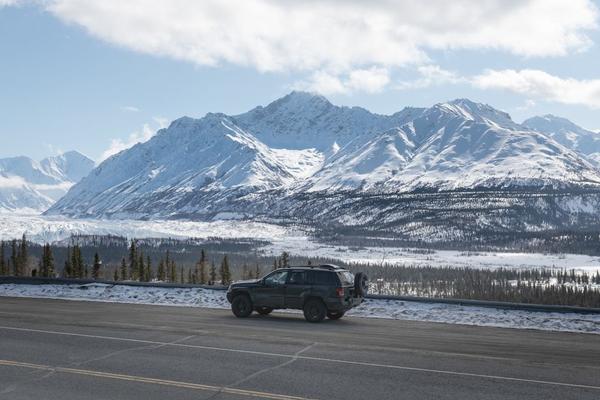
An Alaska road trip rewards patience more than a packed schedule. A highway can run beside glaciers, mountains, or empty tundra for hours, yet a short-looking detour might consume most of the day. Unlike a drive through smaller states, Alaska demands careful choices about mileage, fuel, weather, and which places you can actually reach by car.
Start with one region, build in time for unscheduled stops, and treat the drive as part of the experience. Here is how to choose an Alaska travel route that feels adventurous without becoming exhausting.
Understand Alaska’s driving distances
Most first-time visitors use Anchorage as their starting point. Seward is roughly 127 miles away, Denali National Park’s entrance about 240 miles, and Fairbanks about 360 miles. Those are one-way distances, not complete sightseeing days. A four-hour estimate can become six with viewpoints, roadwork, meals, and wildlife.
Not every famous destination connects to the highway system. Juneau, for example, has no road connection to Anchorage or Alaska’s main highway network. Some parks and coastal communities require a flight, boat, or ferry.
Choose the best highways for your trip
Seward Highway: coastlines and mountain scenery
The Seward Highway heads south from Anchorage beside Turnagain Arm before continuing toward Seward. Look for changing tides, steep mountains, and safe scenic pullouts. Seward is the gateway to Kenai Fjords National Park, where boat trips explore coastal glaciers and marine wildlife. This is a rewarding scenic Alaska drive for a shorter visit.
Parks Highway: Talkeetna and Denali
The Parks Highway links Anchorage and Fairbanks, passing the turnoff for Talkeetna and Denali National Park’s entrance. Clear-weather views of the Alaska Range can be spectacular, though clouds often hide the highest peaks. Give Denali at least one full non-driving day rather than treating it as a quick stop.
Glenn and Richardson highways: valleys and glaciers
Head east from Anchorage on the Glenn Highway for broad valley views and the Matanuska Glacier area. Farther inland, the Richardson Highway connects Glennallen, Valdez, and Fairbanks. Thompson Pass and the approach to Valdez are memorable, but adding them means substantially more mileage.
Alaska Highway: driving through Canada
Travelers coming from the contiguous United States commonly drive through British Columbia and Yukon on the Alaska Highway, crossing into Alaska before reaching Tok. This is a separate, multi-day journey before exploring Southcentral Alaska. Check border documents, insurance, fuel availability, and Canadian road conditions beforehand.
A realistic eight-day Alaska road trip itinerary
For a first visit, balance the Kenai Peninsula with Denali instead of attempting to see the entire state.
Days 1–2: Arrive in Anchorage, collect your vehicle, buy supplies, and drive to Seward. Spend two nights there for a boat excursion, the waterfront, or Exit Glacier without rushing.
Day 3: Return toward Anchorage with generous stops along Turnagain Arm. Stay overnight rather than attempting another long journey after sightseeing.
Day 4: Travel north on the Parks Highway, stop near Talkeetna, and continue to the Denali area. Reserve summer lodging early.
Days 5–6: Spend two days around Denali for trails, ranger activities, and a park bus trip when operating. During the 2026 visitor season, buses traveled only to Mile 43 because of the Pretty Rocks landslide; confirm current access before booking.
Day 7: Return toward Talkeetna or Anchorage, allowing time for weather-dependent views. Day 8: Keep a buffer before your flight. Backtracking is preferable to an exhausting last-day dash.
Fuel, rest stops, and rental-car rules
Alaska highway driving works best when you plan around available services. Fill the tank before long rural stretches, especially near junctions such as Tok, Glennallen, and Delta Junction. Carry drinking water, snacks, a charger, layered clothing, and downloaded maps.
Check your rental agreement before using gravel roads. McCarthy Road and Nabesna Road in Wrangell–St. Elias may be restricted by rental companies, while repairs and towing can be expensive. Cell coverage disappears in many rural areas, so share your intended route and arrival time.
One practical rule: if navigation predicts five hours of driving, do not book a nonrefundable afternoon activity immediately afterward. A construction delay or a moose near the highway can change your schedule.
Best season and road-condition checks
June through August generally offers the widest choice of services and long daylight hours, along with busy accommodations and road construction. May and September may be quieter but bring more seasonal closures and cold spells. Winter requires experience with snow, ice, and limited daylight.
Before each major drive, consult Alaska 511 for road conditions, closures, construction, and weather. Coastal highways and mountain passes can experience very different conditions on the same day. Offline navigation is useful, but its arrival estimate is not a promise.
National parks you can include by road
Denali National Park is reached from the Parks Highway. Private vehicles generally use only the initial portion of Denali Park Road; longer excursions depend on current bus operations and closures.
Kenai Fjords National Park is accessed through Seward. Exit Glacier is its principal road-accessible area, while much of the coastline is best explored by boat. Wrangell–St. Elias offers visitor facilities accessible from highways, though remote interior roads need separate planning.
It helps to compare Alaska national park itineraries before deciding which adventures need road access and which require boats or aircraft.
Wildlife and roadside safety
Moose may appear suddenly around bends or near roadside vegetation. Reduce speed where visibility is poor and never stop in a traffic lane for photographs. Use a safe designated pullout instead.
National Park Service guidance recommends staying around 300 yards from bears and at least 25 yards from other wildlife, including moose. Never feed animals, approach mothers with young, or leave food unsecured at campsites. Review local bear-safety advice before hiking.
An Alaska road trip packing checklist and a guide to scenic drives in the United States can help with further trip planning.
Frequently asked questions
How many days do you need for an Alaska road trip?
Seven to ten days works well for one or two connected regions. Two weeks allows more relaxed exploration and destinations such as Valdez or Fairbanks. A shorter trip is better spent on a focused route.
Can you drive through Denali National Park?
Private vehicles normally can use the first 15 miles of Denali Park Road during the visitor season. Beyond that, access generally relies on buses and is subject to restrictions or closures. Check the park’s latest operating information.
Do you need a four-wheel-drive vehicle?
Usually not for summer travel on main paved highways in normal conditions. Remote gravel roads, winter travel, and some detours require different arrangements and rental-company permission.
Is it safe to drive without cell service?
It can be manageable on established highways with preparation. Download maps, maintain adequate fuel, monitor weather, pack essentials, and share your route. Avoid isolated detours without assessing conditions and access to help.
Make the mileage work for you
The best Alaska road trip itinerary leaves room for a cloud bank lifting off the mountains, a quiet viewpoint, or a weather delay. Choose fewer destinations, check access before departure, and let the landscape set a sensible pace. The unhurried miles are often the most memorable.
