

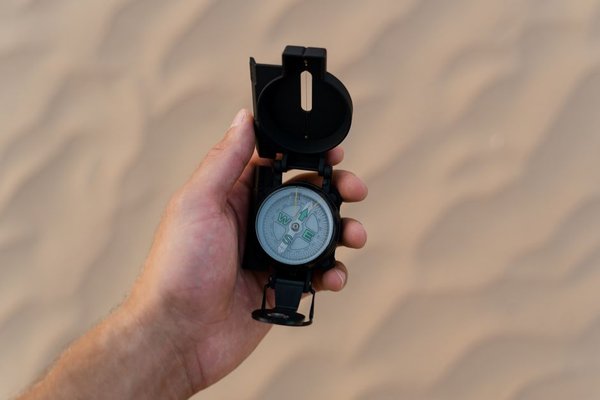
Desert hiking can look deceptively simple: an open trail, clear skies, and miles of visibility. The challenge is that dry landscapes leave little margin for error. Heat builds quickly, shade may be scarce, water sources can be unreliable, and a wrong turn becomes serious when cell service disappears. Good desert hiking safety tips are therefore about managing heat, water, weather, navigation, and turnaround decisions before small problems stack up.
Plan Around Heat Before Distance
A route that feels moderate in cool weather can become punishing in high temperatures. Check the local forecast, park alerts, elevation, expected shade, and trail conditions before leaving. Whenever possible, start in the coolest part of the morning and finish before the hottest hours. If temperatures are extreme, shorten the route or choose a higher, cooler trail.
Heat safety hiking also means adjusting your pace. Rest in shade when available, wear lightweight sun-protective clothing, a broad-brimmed hat and sunglasses, and use sunscreen. Stop if you develop dizziness, nausea, headache, unusual weakness, or severe fatigue. Heat exhaustion can progress to heat stroke. Confusion, disorientation, seizures, or major changes in behaviour are emergency warning signs; move the person out of the heat, begin active cooling, and seek emergency medical help quickly.
Make Water a Turnaround Rule
Hiking water planning should reflect the specific trail, temperature, duration, elevation, and local guidance. Some U.S. desert parks advise roughly one litre or one quart per hour in hot, dry conditions, while others recommend around four litres or more for a backcountry day. Those are useful reference points, not a universal formula.
Start well hydrated, drink regularly, and carry more than you expect to use. Do not assume a spring, stream, or tank shown on a map will contain safe water. Desert sources can be seasonal, dry, contaminated, or difficult to reach. For longer outings, carry an appropriate treatment method when a route legitimately depends on backcountry water.
Use a simple turnaround rule: do not consume more than half your planned water while still moving away from the trailhead or reliable resupply point. If a canyon hike is taking longer than expected and you reach the halfway point in your water before the halfway point in your route, turn around. Keeping one last bottle for an emergency is not a substitute for leaving enough water to get back.
Respect Flash Floods Under Blue Skies
Flash flood safety is critical in washes, slot canyons, narrow drainages, and low crossings. Heavy rain does not need to fall directly over you. Water can arrive from storms many miles upstream, carrying mud, branches, rocks, and debris. Before entering confined terrain, check the weather and any local flash-flood warning for the wider drainage area.
If thunderstorms are possible, choose another route that avoids narrow canyons. Watch for darkening skies, thunder, sudden wind, rising or discoloured water, floating debris, or the sound of rushing water. If flood signs appear, move immediately to higher ground. Never try to outrun a flood down a canyon or cross a flooded wash because the water looks shallow.
Navigation Matters Where Trails Fade
Remote desert trails can be difficult to follow across slickrock, sand, dry washes, and open plateaus. Carry a paper map when appropriate, download an offline map before leaving coverage, and know how to use both. A phone is useful, but heat, battery drain, damage, and lack of signal can make it unreliable.
Leave a trip plan with someone who is not on the hike. Include the route, trailhead, vehicle description, group size, planned return time, and when they should contact authorities if you have not checked in. On especially remote routes, a satellite messenger or personal locator beacon can add an important layer of emergency communication.
Set a Turnaround Time
Navigation errors become more dangerous late in the day. Set a turnaround time before you start and follow it even if the viewpoint or canyon endpoint seems close. Desert temperatures can fall sharply after sunset, and rough terrain is harder to navigate in fading light. Carry a headlamp even on a day hike.
Protect Yourself From Sun, Terrain, and Wildlife
Desert sun exposure can be relentless. Breathable long sleeves and trousers reduce direct sun exposure and help protect against thorny plants. Sturdy footwear improves traction on loose rock, sharp surfaces, and sandy slopes. Pack a basic first-aid kit and enough food to maintain energy and replace salt lost through sweating during long, hot outings.
Give wildlife space. Do not reach blindly under rocks, into cracks, or beneath vegetation. Watch where you place hands and feet, give snakes a wide berth, and never try to move or handle wild animals. If an animal behaves unusually, leave the area and report it to local land managers when practical.
Build an Emergency Margin
A useful desert hiking packing checklist includes water, food, sun protection, navigation, first aid, a headlamp, extra clothing, and emergency communication suited to the route. Add a small reserve for delays instead of packing only for the best-case itinerary. On a remote trail, a twisted ankle, navigation mistake, or vehicle problem can become an overnight situation.
Agree in advance that worsening heat symptoms, unexpected water use, storm development, lost-route uncertainty, or a missed turnaround time means the hike changes or ends. A firm rule makes it easier to act when everyone is tired and the destination feels close.
FAQ
How much water should I carry for a desert hike?
Follow the guidance for the specific park or route and adjust for heat, duration, effort, elevation, and your own needs. In hot desert conditions, some land managers advise about one litre per hour or roughly four litres or more for a backcountry day. Carry extra rather than planning to finish with an empty bottle.
What is the safest time of day for desert hiking?
Early morning is usually safer in hot weather because temperatures and sun exposure are lower. In extreme heat, avoid strenuous hiking during the hottest part of the day and consider a shorter, shaded, or higher-elevation route.
Can a flash flood happen if it is not raining where I am?
Yes. Rain upstream can send floodwater into a canyon or wash while the sky above you remains clear. Check the wider-area forecast and avoid narrow drainages when thunderstorms or flash flooding are possible.
What should I do if someone becomes confused from the heat?
Confusion or disorientation can indicate heat stroke, which is a medical emergency. Move the person out of the heat, begin rapid cooling with safe methods available, and get emergency medical assistance immediately.
Finish With Margin to Spare
The safest desert hikers do not wait for an emergency to change plans. They start early, carry enough water, monitor weather, know the route, protect themselves from the sun, and turn back while they still have comfortable reserves of time and energy. Leave enough margin that an unexpected delay remains an inconvenience rather than a rescue situation.
