

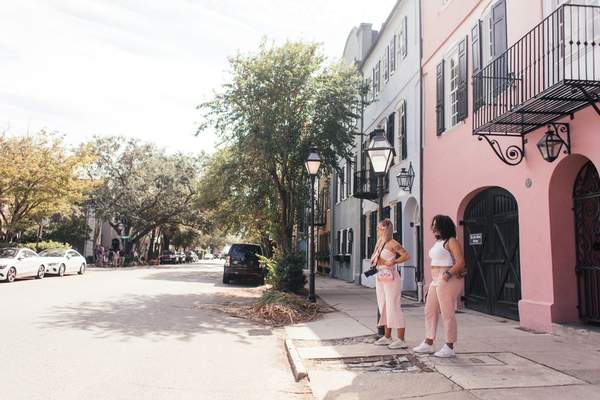
Charleston has quietly become one of the most talked-about destinations in the United States, and it’s not hard to see why. Between its cobblestone streets lined with pastel-colored homes, a food scene that regularly draws national attention, and a history that stretches back centuries, this South Carolina city has climbed steadily on travelers’ bucket lists. Whether you’re drawn in by the shrimp and grits or the horse-drawn carriage tours through the historic district, this Charleston, South Carolina travel guide will help you plan a trip that hits the right notes at the right time of year.
Why Charleston Is Worth the Trip
Charleston blends Southern charm with a genuinely cosmopolitan food and arts scene. It’s a walkable city, which makes it ideal for travelers who want to explore on foot rather than hop from one car park to another. The architecture alone tells a story, with antebellum mansions, church steeples, and wrought-iron gates that have survived hurricanes, wars, and centuries of change. Add in a harbor setting and nearby beaches, and it’s easy to understand why visiting Charleston SC has become such a popular choice for weekend trips and longer vacations alike.
Exploring the Charleston Historic District
No trip to the city is complete without spending real time in the Charleston historic district. This is the heart of the city, where narrow streets open up into shaded squares and centuries-old homes sit just steps from bustling cafes.
Rainbow Row and the Battery
Rainbow Row is one of the most photographed stretches in the entire city, a row of colorful 18th-century houses that once served as merchant shops. Just a short walk away, the Battery offers sweeping views of Charleston Harbor and Fort Sumter in the distance, along with some of the grandest historic mansions in the district.
Historic Charleston City Market
The Charleston City Market has operated since the early 1800s and remains a lively spot for local crafts, sweetgrass baskets, and Southern food stalls. It’s a good place to pick up a souvenir that actually has some local history behind it, rather than something mass-produced.
Churches and Cemeteries Worth a Detour
Charleston earned the nickname “the Holy City” for its skyline full of church steeples. St. Philip’s Church and the Circular Congregational Church are both worth a slow walk-through, and their adjoining graveyards offer a quieter, more reflective side of the historic district.
Understanding Charleston Weather Before You Book
Timing matters more in Charleston than in a lot of other US cities, mainly because of how dramatically the seasons shift. Charleston weather swings from mild and pleasant to genuinely uncomfortable depending on the month, so it pays to plan around it.
Spring (March to May)
This is widely considered the best season to visit. Temperatures sit comfortably in the 60s and 70s Fahrenheit, gardens are in full bloom, and the humidity hasn’t kicked in yet. Spring also lines up with the Southeastern Wildlife Exposition and the Charleston Wine + Food Festival, both of which draw serious crowds.
Summer (June to August)
Summer is when Charleston’s thick, coastal humidity becomes hard to ignore. Temperatures regularly climb into the 90s, and the air can feel heavier than the thermometer suggests. Afternoon thunderstorms are common, which can actually offer brief relief but also disrupt outdoor plans. If you do visit in summer, mornings and early evenings are your best windows for walking tours or time outdoors.
Fall (September to November)
Fall is a close second to spring in popularity, and for good reason. The humidity eases up by October, temperatures stay mild well into November, and there’s noticeably less foot traffic than the spring peak season. Many locals consider this the sweet spot for a visit.
Winter (December to February)
Winters in Charleston are mild by most US standards, rarely dropping below the 40s. It’s a quieter time to visit, hotel rates tend to dip, and the historic district takes on a peaceful, less crowded feel, though a few outdoor attractions may run on reduced hours.
Top Charleston Attractions Beyond the Historic District
While the historic core gets most of the attention, there’s plenty more to see once you venture a little further out.
Fort Sumter National Monument
This is where the first shots of the Civil War were fired, and a ferry ride out to the fort gives visitors a firsthand look at the site along with harbor views that are worth the trip on their own.
Magnolia Plantation and Gardens
One of the oldest public gardens in the country, this plantation offers a mix of natural beauty and a candid look at the region’s complicated history, including exhibits focused on the lives of enslaved people who lived and worked there.
Folly Beach
For travelers who want a beach day without leaving the area, Folly Beach is a short drive from downtown and offers a more laid-back, surf-town atmosphere compared to the historic district’s polish.
Charleston’s Food Scene: A Big Part of the Draw
It’s worth mentioning that food has become one of the biggest reasons people are booking trips to Charleston in the first place. The city has built a reputation for elevated Lowcountry cuisine, with shrimp and grits, she-crab soup, and fresh oysters showing up on menus across every price range. Food halls, chef-driven tasting menus, and casual seafood shacks all sit within a few blocks of each other, which makes it easy to sample a wide range in a short visit.
Practical Tips for Visiting Charleston SC
A little planning goes a long way here. Comfortable walking shoes are non-negotiable, since much of the historic district is best explored on foot over uneven, historic sidewalks. Booking historic home tours and popular restaurants in advance is smart, especially during spring and fall. And if you’re visiting in summer, building your itinerary around the cooler parts of the day will make the humidity far more manageable.
Frequently Asked Questions
What is the best time of year to visit Charleston, South Carolina?
Spring, particularly April and May, is generally considered the best time to visit, thanks to mild temperatures and low humidity. Fall, especially October, is a close second.
Is Charleston SC humid in the summer?
Yes, summer humidity is significant, often paired with temperatures in the 90s. Many visitors plan outdoor activities for early morning or evening during summer months.
How many days do you need to see Charleston’s historic district?
Two to three days is typically enough to comfortably explore the historic district, including Rainbow Row, the Battery, and the City Market, with time left over for a day trip to Fort Sumter or a nearby beach.
Is Charleston walkable for tourists?
Very much so. The historic district is compact and pedestrian-friendly, making it easy to explore major attractions without needing a car for most of your stay.
Charleston isn’t a destination you rush through. Between the historic architecture, the seasonal rhythms of its weather, and a food scene that keeps pulling in new visitors, it rewards travelers who take their time. Plan around the right season, spend real time wandering the historic district, and you’ll understand exactly why this city keeps climbing everyone’s travel list.
