

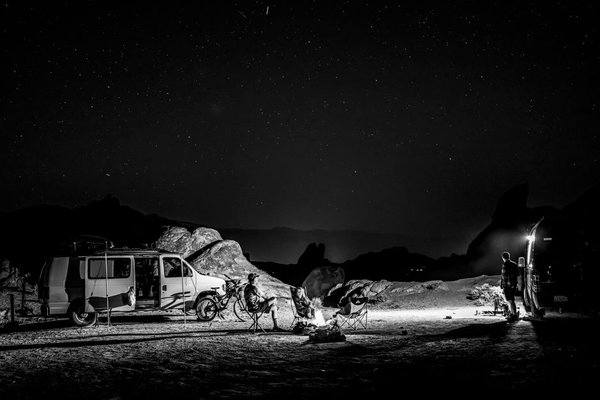
Living on the road full time is very different from taking an occasional camping trip. Your van becomes your bedroom, kitchen, office, and personal retreat. A useful van life essentials guide therefore focuses on creating a safe, comfortable system for everyday life, not simply collecting attractive accessories.
Prioritise sleep, water, power, food, storage, connectivity, and realistic planning. You need a van life setup that matches your budget, route, work needs, climate, and tolerance for small-space living—not the most expensive conversion.
Start With the Right Van
Before shopping for van life gear, think carefully about the vehicle. A larger van offers more room but usually costs more to buy, fuel, insure, and repair. A smaller model is easier to park but demands stricter organisation. Consider how many people will travel, what equipment you carry, whether you work remotely, and where you expect to park.
Mechanical condition matters more than appearance. Arrange an inspection before buying a used van, review its service history, and budget for immediate maintenance. Check tyres, brakes, batteries, fluids, and warning lights before decorative upgrades.
Make Sleep and Ventilation Priorities
Good sleep affects every part of long-term travel. Choose a supportive mattress rather than relying on thin camping foam. Use fitted window covers for privacy and temperature control, with bedding suitable for the coldest expected conditions.
Ventilation is equally important because breathing, cooking, and wet clothing create moisture. Roof vents, screened windows, and fans help reduce condensation. When converting a van for travel, avoid a bed that takes too much effort to assemble every night unless you genuinely enjoy that routine.
Create a Simple Water and Food System
Water storage should be easy to refill, carry, and clean. Several smaller containers can be more manageable than one heavy tank. Separate drinking and grey water, label containers, and carry a backup bottle.
Your cooking arrangement might include a portable stove, built-in hob, or electric appliance. Use equipment intended for the space and follow the manufacturer’s guidance on ventilation and fuel storage. Never use an open flame in an unventilated van. A fire extinguisher, fire blanket, smoke alarm, and carbon monoxide alarm are essential safety items.
Choose simple foods and keep a few no-cook meals for travel days or bad weather. Remember that a fridge expands your options but increases power use.
Plan Power Around Your Real Needs
List everything you expect to run, including phones, lights, a laptop, fridge, fans, and cameras. Estimate your daily energy use before buying batteries, solar panels, inverters, or a portable power station. Avoid both an expensive oversized system and an unreliable undersized one.
Portable power stations suit many beginners because they are easy to monitor. More advanced setups may use leisure batteries charged through solar, the alternator, or campsite hook-up. Whichever route you choose, use correctly rated cables and fuses, and seek professional help when necessary. Electrical shortcuts can create serious fire risks.
Choose Gear That Solves Real Problems
Secure Storage
Every item needs a stable home. Open baskets may look convenient while parked, but they can become dangerous during sudden braking. Use latches, dividers, soft bags, and non-slip mats. Keep frequently used items within reach and reserve awkward spaces for seasonal clothing, tools, and backups.
Emergency Equipment
Carry a basic tool kit, tyre inflator, pressure gauge, torch, jump starter, warning triangle, spare fuses, and any vehicle-specific equipment recommended by the manufacturer. Add a first-aid kit, emergency contacts, document copies, and some cash. Roadside assistance is especially valuable when your vehicle is also your home.
Cleaning and Hygiene
Small spaces become uncomfortable quickly when cleaning is ignored. Pack a brush, compact dustpan, cloths, rubbish bags, cleaning products, and a laundry system. Depending on your route, washing may involve campsites, gyms, public facilities, a portable shower, or a built-in wash area. Choose a routine you can maintain consistently.
Prepare for Work and Connectivity
If you work online, internet access is part of your core infrastructure. A mobile data plan, backup SIM, hotspot, or signal booster may help, but coverage varies. Download maps and documents before entering remote areas, keep backup charging available, and do not assume every café or campsite will offer fast, secure Wi-Fi.
Comfort matters too. Working for hours from a bed or twisted passenger seat can cause pain. A small table, supportive cushion, and sensible screen height can make remote work more sustainable. One of the best van life tips for beginners is to test a normal workday inside the van before committing to full-time travel.
Build a Sustainable Travel Routine
Long-term van life gets easier when you stop treating every day like a holiday. Create routines for refuelling, filling water, emptying waste, buying groceries, doing laundry, charging batteries, and checking the vehicle. Research where overnight parking is permitted and respect local restrictions, private property, noise limits, and waste rules.
Travel slowly when possible. Driving less reduces fuel costs, wear, and fatigue while giving you time to enjoy each place. Keep an emergency fund for repairs, medical needs, temporary accommodation, and sudden changes in weather or access.
Test the Setup Before Going Full Time
Take a short trial trip using only the systems and supplies you plan to rely on. Notice what feels awkward, what runs out quickly, what remains unused, and which tasks take longer than expected. Adjust the layout before beginning a long journey.
Testing often proves that simplicity works best. New nomads commonly pack too many clothes, kitchen tools, and “just in case” items. Extra weight affects fuel use and makes the van harder to organise. Start with essentials and add specialised equipment only when experience shows you need it.
Frequently Asked Questions
What are the most important van life essentials?
Start with a reliable vehicle, comfortable bed, ventilation, drinking water, basic cooking equipment, dependable power, secure storage, emergency supplies, and a realistic budget.
How much gear should I buy before travelling?
Buy enough to meet your basic needs, then test everything on a short trip. Adding equipment gradually is usually better than filling the van with expensive items you may not use.
Do I need a fully converted van?
No. Many people travel with a removable bed, water containers, portable power, and simple storage. A full conversion can improve comfort, but it should match your lifestyle rather than copy someone else’s design.
What is the biggest challenge for new nomads?
The hardest part is often managing ordinary routines in changing surroundings. Water, waste, power, parking, work, weather, and maintenance all require regular attention. Clear systems make them far easier.
Build for the Life You Will Actually Live
The most useful van life essentials guide is not a universal shopping list. It is a framework for creating a safe, manageable home on wheels. Focus on systems that support sleep, water, food, power, hygiene, communication, and vehicle reliability. Test everything, remove clutter, and refine the setup through experience.
Van life becomes more enjoyable when your equipment supports your routine instead of controlling it. A thoughtful setup gives you freedom to travel slowly, work reliably, adapt to changing conditions, and feel at home wherever the road leads.
