

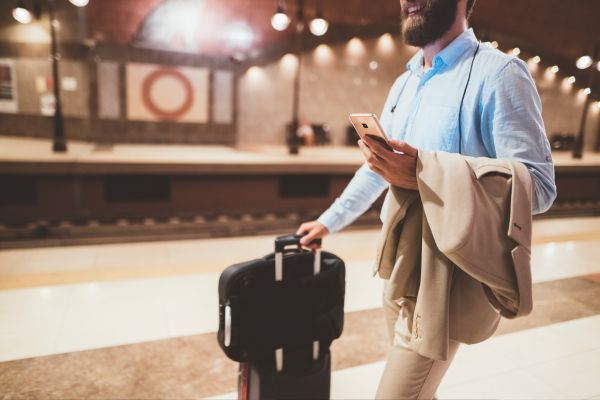
Travel is often described through places. People talk about mountain roads, crowded markets, old buildings, hidden beaches, and meals they still remember years later. Yet when a journey becomes a story worth retelling, it is usually because of a person.
Meeting locals while traveling can turn an ordinary afternoon into the most memorable part of a trip. A missed bus may lead to tea in a family kitchen. A confusing train station can become the setting for an unexpected friendship. Sometimes, a short conversation with a shopkeeper reveals more about a city than an entire day spent visiting famous landmarks.
These encounters do not always happen in dramatic ways. In fact, the most meaningful ones are often simple, unplanned, and slightly awkward at the beginning. They offer a glimpse of daily life that guidebooks cannot provide and remind travelers that a destination is not just a collection of attractions. It is a place where people wake up, work, argue, celebrate, cook, commute, and build their lives.
A Wrong Turn That Led to Dinner
One traveler arrived in a small coastal town expecting an easy walk from the bus stop to a guesthouse. The map looked simple enough. After twenty minutes, however, the streets had narrowed, the signs had disappeared, and the afternoon heat was becoming difficult to ignore.
She stopped outside a small grocery shop and asked for directions using a mixture of basic local words, hand gestures, and a badly pronounced street name. The shop owner listened carefully, laughed gently, and pointed toward a road behind the building.
A few minutes later, he appeared on a bicycle and motioned for her to follow. The guesthouse was farther away than expected, hidden beyond a group of houses and a dusty football field. Once they arrived, she thanked him and assumed the encounter was over.
That evening, the shop owner returned with his sister and invited her to join their family for dinner.
The meal was held outside under a single lightbulb. There was grilled fish, rice, salad, and more conversation than their limited shared language should have allowed. They communicated through photographs, gestures, translated words, and plenty of laughter.
The town itself was beautiful, but years later, she remembered the family table more clearly than the beach.
The Train Conversation That Changed the Journey
Long train journeys create a strange kind of temporary community. People share space for hours, sometimes without speaking. Then one small question opens the door.
A university student traveling through Eastern Europe once found himself seated opposite an older man carrying a worn leather bag. For nearly an hour, they watched the countryside pass in silence. Eventually, the older man asked where the student was from.
The conversation began slowly. The older man spoke limited English, while the student knew only a handful of local phrases. Still, they managed. They discussed football, family, weather, and the towns along the railway line.
At one station, the man bought two pastries and handed one across the table. Later, he drew a rough map on the back of a receipt, circling a village that he insisted was worth visiting.
The student changed his plans and went there two days later.
It was not a famous destination. There were no major attractions or carefully designed tourist areas. Instead, he found a quiet village, a riverside path, and a small café where everyone seemed to know one another. The detour became one of the calmest and most memorable parts of the trip.
Meeting locals while traveling often changes not only how a person sees a destination, but also where the journey goes next.
Markets Make Conversation Easier
Local markets are among the easiest places to meet people naturally. There is already something to discuss: food, prices, ingredients, clothing, handmade objects, or unfamiliar fruit.
In one busy market in Southeast Asia, a traveler stopped at a stall selling herbs and vegetables she did not recognize. The woman behind the stall picked up each item and explained how it was cooked. Most of the explanation was delivered through gestures, because neither spoke the other’s language well.
The traveler bought a small bundle of herbs without knowing exactly what she would do with them. The stallholder then called to a nearby food vendor, who demonstrated how the herbs were added to a bowl of noodles.
Within minutes, several people had joined the discussion. Everyone had a different opinion about the correct amount to use.
It was a tiny moment, but it offered something deeply local: not a prepared cultural performance, but an everyday disagreement about food.
Travelers sometimes worry that speaking to strangers will feel intrusive. In markets, cafés, parks, and shared public spaces, conversation often develops more comfortably because it begins with the surroundings.
Hospitality Can Feel Almost Unbelievable
In some places, hospitality toward visitors is so generous that travelers initially struggle to accept it.
A cyclist crossing a rural area in Central Asia once stopped near a farmhouse to ask whether he could refill his water bottles. Instead of simply pointing him toward a tap, the family invited him inside.
Tea appeared first. Then bread, fruit, soup, and a plate of meat were placed on the table. Children gathered nearby, curious about the bicycle and the foreign visitor who had arrived without warning.
The cyclist intended to stay for ten minutes. He remained for several hours.
Before he left, the family gave him food for the road and insisted that he take a scarf because the evening temperature would fall. No payment was accepted. The invitation had not been a business exchange. It was simply hospitality.
Experiences like this can challenge a traveler’s assumptions. People are often taught to be cautious, independent, and suspicious of unexpected generosity. While sensible awareness is important, not every kind gesture hides a motive.
Sometimes, a person genuinely wants to welcome a stranger.
Shared Activities Create Real Connections
Conversation becomes easier when people are doing something together. Cooking classes, community events, sports, language exchanges, and craft workshops provide a shared focus, reducing the pressure to keep a conversation moving.
A solo traveler in South America joined a casual football game in a public park after watching from the side for several minutes. He did not speak much Spanish, and the players did not speak much English. None of that mattered once the game started.
Afterward, the group sat nearby drinking cold sodas and discussing the match with exaggerated gestures. Someone invited him to another game later in the week. By the end of his stay, he had joined them three times.
This connection was different from the brief friendships formed in hostels. The players were not fellow tourists following similar routes. They lived nearby, had jobs and families, and returned to the same park every week.
Through them, he saw a side of the city he might otherwise have missed. He ate at a small neighborhood restaurant, attended a birthday gathering, and learned which areas locals actually enjoyed on weekends.
Language Matters Less Than Willingness
Many travelers avoid speaking to local people because they fear embarrassment. They worry about making mistakes, mispronouncing words, or failing to understand the response.
Mistakes are almost guaranteed. They are also usually less serious than imagined.
Learning a few phrases can make a noticeable difference. A greeting, a thank-you, or a simple question shows effort. It signals that the traveler does not expect everyone else to adjust automatically.
Technology can help, but translation apps should not replace human patience. Some of the warmest interactions happen when both people are struggling to understand each other. There are pauses, repeated words, improvised signs, and moments when everyone laughs because the conversation has gone completely wrong.
Perfect grammar is not required for connection. Curiosity and respect matter far more.
Not Every Encounter Becomes a Friendship
There is a romantic idea that every local interaction will be meaningful and emotionally transformative. Real travel is less predictable.
Some conversations remain brief. A taxi driver shares a restaurant recommendation. A café owner explains a local tradition. A stranger helps carry a suitcase up a staircase and disappears into the crowd.
These moments still matter.
Meeting locals while traveling does not have to lead to lifelong friendship. The value may lie in a five-minute exchange that makes a place feel less unfamiliar. It may be a small act of kindness that improves a difficult day.
Travelers should also respect boundaries. Local people are not part of the scenery, and they are not responsible for providing visitors with authentic experiences. Some people are busy, private, tired, or simply uninterested in conversation.
Genuine connection develops best when it is mutual rather than forced.
Staying Longer Changes Everything
Fast travel makes local interaction more difficult. When every day is packed with sightseeing and transport, there is little time for relationships to develop.
Staying in one place for several weeks creates repetition, and repetition creates familiarity. The same person serves coffee each morning. Neighbors begin to recognize a face. Conversations gradually become longer.
One remote worker living temporarily in a small Mediterranean town began greeting an elderly man who sat outside the same bakery every afternoon. At first, they only nodded. Later, they exchanged a few words. Eventually, the man began saving a chair beside him.
Their conversations were simple and often repetitive, but they became part of the traveler’s daily routine. On his final day, the older man brought a small bag of oranges from his garden.
It was not a dramatic farewell. That was precisely why it felt real.
Seeing a Place Beyond the Tourist Surface
Local encounters can reveal the difference between how a destination is presented and how it is actually lived.
Tourists may see a historic neighborhood as charming. Residents may worry about rising rents. Visitors may describe a city as lively, while locals experience the noise and traffic every day. A beautiful fishing village may also be a place where younger people struggle to find work.
Conversations with residents add complexity. They prevent destinations from becoming idealized backgrounds for photographs.
This does not mean travelers must turn every discussion into a serious interview. Ordinary conversations about work, transport, food, family, and weather can reveal a great deal. Listening matters more than asking endless questions.
A good traveler does not simply collect stories. A good traveler allows other people’s perspectives to change the story being told.
The People Become Part of the Map
Long after a trip ends, memories often organize themselves around people rather than geography.
A city becomes the place where a baker offered an extra pastry. A mountain village becomes the home of the family who gave directions and refused payment. A railway line becomes connected to a stranger who drew a map on a receipt.
Meeting locals while traveling makes a journey feel less like movement through unfamiliar spaces and more like participation in a shared world. These encounters may last several hours, a few days, or only a moment. Their importance is not measured by duration.
The most rewarding travel stories are rarely about seeing everything. They are about paying attention, staying open, and allowing another person to interrupt the plan.
Landmarks may explain where someone went. People explain why the journey mattered.
