

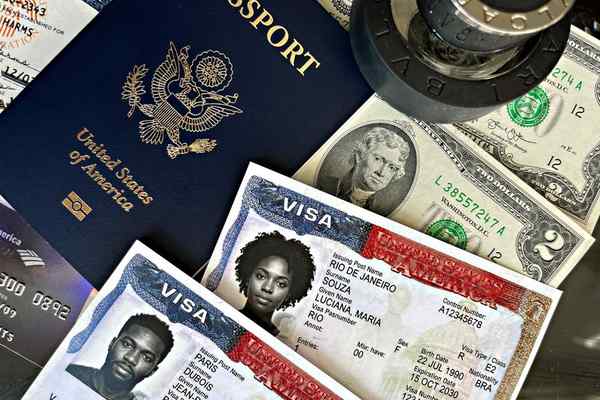
A family trip can be packed perfectly and still run into trouble at check-in because one child is missing the right paperwork. Travel documents for kids deserve their own planning session, separate from clothes, snacks, and entertainment. The documents you need depend on where you are going, how you are traveling, your child’s citizenship, and which adults are accompanying them.
Start With the Route, Not the Paperwork
Before searching for documents, write down your itinerary from departure to return. Include connections, border crossings, cruise ports, and any stop where you will change airlines. A child who needs no identification for one domestic flight may need a passport or permission letter for the next international leg.
Then note each child’s age, nationality, and relationship to the accompanying adults. Ask three questions: Is this trip entirely domestic? Will the child cross a national border? Will both legal parents or guardians travel? Those answers determine most of your family travel paperwork.
What Children Need for Domestic Travel
Domestic travel rules vary by country and carrier. In the United States, the Transportation Security Administration generally does not require identification from children under 18 at airport security for domestic flights. Airlines can have their own documentation policies, however, including rules for unaccompanied minors or proof of age for lap infants. Ask the operating airline before departure.
Passports and Entry Permission for International Trips
Each child may need an individual passport
For international air travel, families should generally plan on a valid individual passport for every child, including babies. A parent’s passport does not substitute for a child’s passport. The precise requirements depend on nationality and destination, and certain land or sea routes have limited exceptions.
Check the expiration date of every passport for kids, not just the adults’ documents. Some destinations require months of remaining validity beyond the planned visit, while others use different rules. Also check for blank-page requirements and any transit-country conditions. Do not assume a passport is acceptable simply because it will still be valid on your return date.
For example, U.S. passports issued before a child’s sixteenth birthday are valid for five years. Getting another one requires a new application rather than the standard adult renewal procedure. U.S. applications for children under 16 normally require both parents’ or guardians’ consent, with procedures available for special circumstances. Start well ahead of departure.
Visas and electronic authorizations can apply to children
A destination may require a separate visa, electronic travel authorization, or immigration registration for each traveler. An infant is not automatically covered by a parent’s approval. Review official entry rules for each child’s passport nationality and travel purpose, including countries visited during a connection.
When a Child Needs a Travel Consent Form
A travel consent form is especially worth investigating when a child is traveling with one parent, a grandparent, another relative, a school group, or an unrelated adult. Some countries require permission from the absent parent or legal guardian, sometimes in a notarized format. Others accept different evidence or have no such general requirement.
A typical letter identifies the child, accompanying adult, destinations, travel dates, and consenting parent or guardian, along with contact information and a signature. But a homemade letter is not guaranteed to satisfy border authorities. Confirm the destination’s specific wording, witnessing, translation, and notarization rules before preparing it.
Do not confuse consent to travel with consent to obtain a passport. They are separate matters. Where sole custody, adoption, guardianship, or a deceased parent affects the situation, the relevant court order, adoption document, or death certificate may be necessary to explain who has legal authority.
Proof of Relationship and Other Useful Records
Birth certificates and custody records are not automatically required at every checkpoint, but they can be crucial in situations involving different surnames, one-parent travel, or a border official asking about parental authority. The U.S. Department of State recommends carrying a copy of each child’s birth certificate or other proof of relationship when traveling internationally with minors.
Build a Document Kit You Can Actually Use
Try organizing child travel documents in three layers. First, keep original passports and any required original certificates or notarized forms in a secure, accessible travel pouch. Second, store paper copies separately from the originals. Third, keep encrypted digital copies in a secure location accessible offline, with sensitive files protected by a strong password.
Give each child a labeled section containing their passport copy, permission documents, booking information, and emergency contacts. Avoid leaving full document images in an unlocked phone gallery or publicly shared folder. Copies can support recovery and verification, but they do not normally replace originals when an original is legally required.
Consider a practical scenario: a mother is flying internationally with two children, one of whom has a different surname. Her folder could contain both children’s passports, visas if required, birth certificates showing the relationships, and any consent or custody evidence required by the countries on the route. She checks those requirements before paying for nonrefundable tickets, not at the airport counter.
Make a Final Check Before Departure
Review the documents when booking, again several weeks before travel, and once more the day before leaving. Confirm that names, dates of birth, passport numbers, and expiration dates match the reservations and authorization records. Check the return journey as carefully as the outbound trip.
Use a family vacation planning checklist alongside a packing list for traveling with children, but keep document verification as its own task. On cruise vacations, check the operator’s rules and every port’s requirements: exceptions for certain closed-loop voyages do not apply to all travelers or itineraries.
Frequently Asked Questions
Does a baby need a passport to travel internationally?
Generally, yes for international air travel. Babies usually need their own valid passports, and some destinations also require an individual visa or electronic authorization. Check the child’s nationality and complete route for exceptions or additional rules.
Do children need identification for domestic flights?
It depends on the country. In the United States, TSA generally does not require ID for travelers under 18 on domestic flights, but airlines may request proof of age or impose separate rules. Check your carrier’s current policy.
Is a consent letter required when one parent travels alone with a child?
Not everywhere. Some countries require a signed or notarized letter from the non-traveling parent, while others require custody evidence or have different procedures. Verify both entry and exit rules for the destination and transit countries.
Can a photo of a birth certificate replace the original?
Only when the relevant authority explicitly accepts a copy or digital image. Some situations require an original or certified record. Carry the format specified by the airline, government authority, or trip organizer.
Travel More Confidently With the Right Documents
The best family travel paperwork system is not the thickest folder. It is a checked set of documents tailored to your route and family circumstances. Confirm official requirements early, protect originals, and keep backup copies accessible. That preparation leaves fewer surprises between home and your destination.
