

Aspen has two very different peak personalities. Winter brings powder days, full restaurants and the classic luxury-resort atmosphere. Summer replaces snow boots with hiking shoes, wildflowers, patio dinners and long mountain evenings. The best time to visit Aspen, Colorado depends less on finding one perfect month and more on matching the season to what you actually want to do.
For skiing and snowboarding, January through March is the safest window for a full winter experience. For hiking, mountain sightseeing and outdoor events, late June through August is the strongest summer period. September is an excellent compromise for travelers who want cooler weather, golden foliage and a calmer feel, while late spring and late fall suit flexible visitors who do not mind reduced mountain operations.
Best time for Aspen ski season
Aspen Snowmass typically operates from around Thanksgiving into April, although individual mountain dates and snow conditions vary. For the 2026-27 season, the resort has announced an overall season from November 26, 2026 to April 18, 2027, with mountain-specific schedules subject to confirmation.
December: festive atmosphere and early-season skiing
December is appealing if holiday atmosphere matters as much as slope time. The town feels lively and ski terrain usually expands as snowfall builds. Christmas and New Year are among the busiest periods for lodging, dining and flights. Early December can be quieter, but terrain coverage depends more heavily on how the season starts.
January and February: the heart of winter
January and February are strong choices for travelers prioritizing snow, cold temperatures and the full Aspen ski season experience. Aspen Chamber notes that winter generally runs from November through April and January is typically the coldest month. By midwinter, visitors are more likely to find broad terrain available across Aspen Mountain, Snowmass, Aspen Highlands and Buttermilk.
A practical strategy is to arrive on a Sunday or Monday and ski midweek. Aspen can still be busy, especially around holidays, but avoiding peak weekend patterns may make lift lines, restaurant reservations and travel logistics easier. A related internal planning topic is Colorado ski trip planning, particularly for families comparing the four mountains.
March and early April: spring skiing
March often combines established snow coverage with longer daylight and a sunnier feel. Conditions can range from fresh powder to soft afternoon snow, so timing matters. Early April can also be rewarding, but warmer weather and spring storms make conditions less predictable as closing dates approach.
Best time to visit Aspen in summer
Aspen summer is no longer simply the ski town’s off-season. From late June through August, hiking, biking, gondola sightseeing, outdoor dining, cultural events and mountain scenery draw a substantial summer crowd. Aspen Snowmass runs summer mountain access on Aspen Mountain and Snowmass, with the main daily schedule concentrated around late June through early September.
Late June and July: green mountains and long days
Late June is a good starting point for summer visitors because high-country trails and mountain facilities become increasingly accessible as snow melts. By July, many lower and mid-elevation hiking options are in full summer mode. Aspen Chamber says daytime temperatures can reach the 80s Fahrenheit, while evenings are cooler. Afternoon showers and thunderstorms are common, making early starts sensible for longer hikes.
For example, instead of planning a major hike for 1 p.m., schedule it in the morning and keep the afternoon for lunch, galleries, shopping or a gondola ride if conditions allow. That simple adjustment fits Aspen Colorado weather better than forcing a fixed all-day outdoor itinerary.
August: warm days with a polished resort feel
August remains one of the easiest months for visiting Aspen if you want warm weather and a full menu of summer activities. Trails are generally more accessible than in early summer, mountain services are operating, and evenings are comfortable for dining in town. It is also popular, so summer accommodation should not automatically be assumed cheaper than ski season.
September and fall: Aspen’s scenic sweet spot
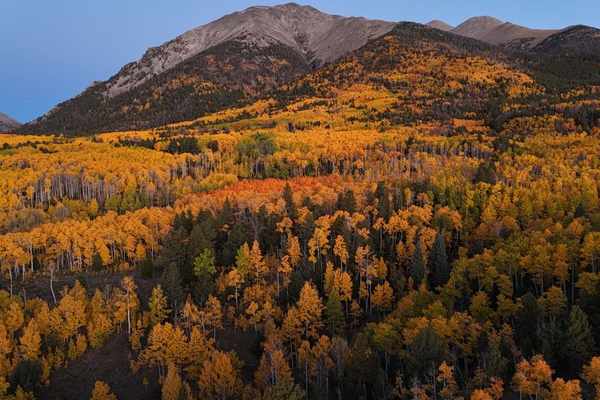
September deserves special attention. The weather is cooler, summer crowds begin to ease, and the aspen trees usually turn brilliant yellow later in the month. The Aspen Chamber says peak foliage varies by year but often falls around the third to fourth week of September.
Daytime temperatures can still reach the 70s Fahrenheit in September, while nights may drop to freezing. Pack layers rather than relying on one heavy outfit. A Colorado fall foliage guide or a broader guide to mountain towns in Colorado would also fit naturally into a longer regional itinerary.
October can be beautiful but increasingly transitional. Some summer lifts and attractions reduce or end operations, while winter skiing has not yet begun. Travelers who value quiet streets and scenery may enjoy this period, but anyone building a trip around specific mountain activities should check operating calendars before booking.
What about spring and late fall?
Mid-April through early June is Aspen’s changeover season. Weather can swing between snow, rain and warm sunshine, and snowmelt affects higher trails. It can be peaceful for exploring downtown, but it is not ideal if your trip depends on either full ski operations or fully open summer trails.
Late October into November has a similar in-between character. There may be early snow, but lifts are generally waiting for winter opening. These shoulder periods can sometimes offer better room availability, yet reduced seasonal services are part of the trade-off.
Plan for Aspen’s altitude in every season
Aspen sits at about 7,908 feet above sea level, so altitude deserves a place in your itinerary in every season. Some visitors notice headaches, fatigue, shortness of breath or disturbed sleep while adjusting. Hydration, a lighter first day and moderation with alcohol are sensible precautions.
Do not schedule your hardest hike or most demanding ski day immediately after arriving from near sea level. A first afternoon spent walking around downtown, eating well and resting can make the active days that follow more enjoyable.
FAQ
What is the best month to visit Aspen, Colorado?
February is a strong choice for a classic ski trip, July for a full summer mountain experience, and September for fall colors and cooler conditions.
When is Aspen cheapest to visit?
Rates vary by property and event calendar, but spring and late fall may offer better availability than Christmas, midwinter ski weeks or peak summer dates. Compare lodging prices with seasonal closures before choosing purely on cost.
When does Aspen usually get the best fall color?
Peak timing changes with weather, but late September is the usual target. The third and fourth weeks of the month are commonly recommended for golden aspen foliage.
Is Aspen worth visiting if you do not ski?
Yes. Summer and early fall are especially well suited to non-skiers, with hiking, biking, sightseeing, dining, arts and cultural activities providing plenty to do without stepping onto a ski slope.
Choosing your Aspen season
Choose January through March if skiing is the priority, late June through August for hiking and Aspen summer life, or September for foliage and a calmer rhythm. Plan around the experience you want, check current mountain operations before booking, and leave enough flexibility for high-altitude weather to change the day’s schedule.
