

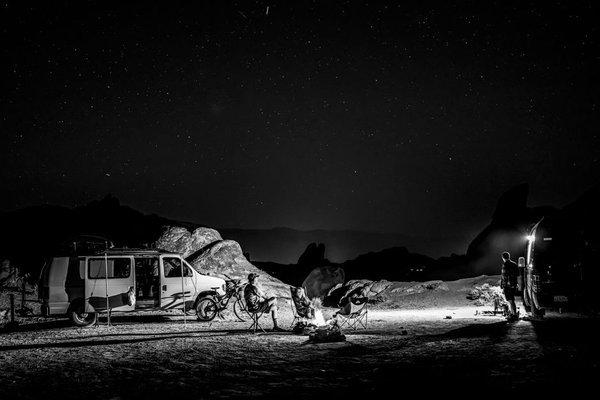
Starting van life is less about buying every gadget online and more about building a reliable system for everyday living. A weekend road trip can tolerate forgotten items. Long-term van living cannot. When the vehicle becomes your bedroom, kitchen, storage space, office, and transport, the essentials are the things that keep those roles working without creating constant clutter.
This van life essentials guide focuses on what new nomads actually need for a sustainable start: dependable power, safe water, simple cooking, organised storage, comfortable sleep, basic vehicle readiness, and routines that make moving from place to place easier. The goal is not a showroom-perfect build. It is a van life setup you can live with every day.
Build Around Daily Needs, Not Social Media Builds
Before buying van life gear, think through an ordinary day. Where will you sleep, cook, store wet shoes, and charge a phone? Those questions shape a practical interior far better than copying someone else’s expensive conversion.
If you are converting a van for travel, start with the functions you will use constantly and leave optional upgrades until you have lived in the space. A useful first test is a two- or three-night trip close to home. By the second morning, you will quickly discover whether your lighting is awkward, your bedding is too bulky, or your kitchen forces you to move five things just to boil water.
Plan Power Around What You Actually Use
Begin by listing the devices you expect to run: phones, lights, laptop, fan, fridge, camera batteries, or other essentials. A traveller who occasionally charges a laptop has very different needs from someone working online every day.
Your system may use a leisure battery or portable power station, charging while driving, solar input, or a combination. High-draw appliances such as electric kettles, induction hobs, and heaters can increase requirements quickly, so size the system around realistic daily use rather than wishful estimates.
For new nomads, simplicity has value. A power setup you understand and can monitor is often better than a larger system you cannot troubleshoot. A useful future internal link here would be van electrical planning guide.
Make Water and Hygiene Easy to Manage
Water storage should be easy to refill, carry, clean, and monitor. One huge container may be awkward to lift. Several smaller containers are often easier to handle.
Keep drinking water separate from wastewater. Add a small basin, quick-drying towels, basic cleaning supplies, hand sanitiser, and a clear place for toiletries. One of the most useful van life tips for beginners is to decide how you will shower, refill water, and dispose of wastewater responsibly before arriving somewhere remote.
Treat Sleep and Ventilation as Core Equipment
A poor bed can make an otherwise excellent van miserable. Your mattress should fit properly, support repeated use, and allow bedding to stay dry. Ventilation matters because breathing, cooking, and wet clothing all add moisture inside a small enclosed vehicle.
Use window coverings for privacy while keeping a safe way to ventilate the interior. A suitable vent or fan helps in warm weather and while cooking.
Keep the Kitchen Small and Functional
You do not need a miniature restaurant kitchen. Most travellers can begin with a stove, one pan, one pot, a knife, chopping board, basic utensils, mugs or bowls, and secure food storage. Choose ingredients that work across several meals and keep a few shelf-stable options for days when shops are far away.
If you use a fridge, make sure its power demand fits your electrical setup. If you cook with fuel, use the appliance as intended, maintain ventilation, and store fuel safely. Keep washing-up supplies easy to reach; anything that requires unpacking half the van is less likely to become a consistent habit. Another natural internal link could point to easy road trip meals.
Use Storage to Reduce Daily Friction
Good storage is not about squeezing in the maximum amount. It is about knowing where things are and reaching them without creating a mess. Group equipment by use: cooking, clothing, tools, electronics, hygiene, outdoor gear, and emergency supplies.
Secure loose objects before driving with latches, bins, dividers, nets, or fitted storage. Keep frequently used items near doors or at comfortable height, and reserve harder-to-access spaces for spare bedding or occasional equipment. This makes a compact van feel much more usable.
Carry Basic Vehicle and Emergency Gear
Your home cannot function if the vehicle carrying it is stranded. Learn the basics of your van, keep servicing up to date, and know where the spare wheel or puncture kit, jack, warning equipment, and vehicle documents are stored. Legal requirements differ by country, so check the rules for each place you plan to drive.
A sensible emergency kit can include a first-aid kit, torch or headlamp, phone charging backup, basic tools, tyre pressure gauge, work gloves, weather-appropriate clothing, plus enough food and water for an unexpected delay. Offline maps also help when mobile coverage disappears.
Plan for Work and Ordinary Life
Long-term van life includes laundry, shopping, admin, and work deadlines. If you work remotely, test your internet setup before relying on it because coverage varies by location.
Create routines for rubbish, laundry, food shopping, water refills, battery checks, and vehicle maintenance. A simple weekly reset can prevent clutter and small problems from building up. A related article on planning a long-term road trip would fit naturally here.
FAQ
What are the most important van life essentials for beginners?
Start with safe sleeping arrangements, water storage, dependable lighting and power, a simple cooking setup, ventilation, organised storage, basic vehicle tools, a first-aid kit, and a realistic plan for hygiene and waste.
How much van life gear should I buy before my first trip?
Buy enough for safety and basic daily needs, then test the setup on a short trip. Real use quickly shows which upgrades will improve your routine and which products would only add cost and clutter.
Do I need solar power for van life?
Not always. Solar can be useful for travellers who stay parked for longer periods, but some people meet their needs through driving-based charging, campsite hookups, portable power stations, or a combination. Your electricity use should determine the system.
What is a common mistake new van lifers make?
Trying to design the perfect van before living in it. Starting with a simple, safe setup makes it easier to improve sleeping, cooking, storage, and power systems after real trips reveal what you actually need.
Start Simple and Let the Van Evolve
A successful first van does not need every upgrade on day one. It needs to keep you safe, rested, fed, organised, and able to move when plans change. Prioritise the systems you rely on every day, test them in real conditions, and leave room to change the layout as your routine develops.
That approach saves money, reduces clutter, and makes the learning curve easier. Van life becomes more comfortable when your gear and routines earn their place through use rather than being added because someone else’s build included them.
