

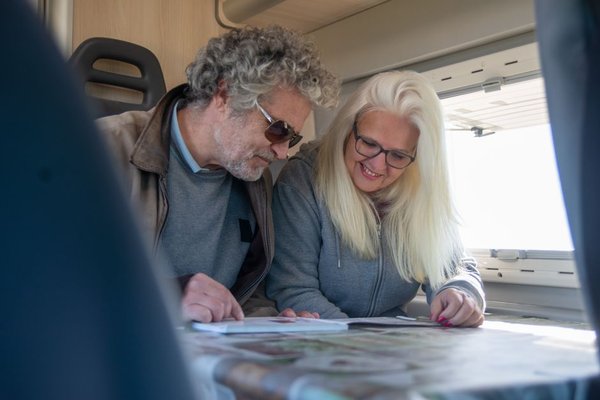
An RV trip gives you something a hotel-based road trip cannot: your bed, kitchen, storage, and daily routine move with you. A useful RV road trip planning guide should help you choose the right vehicle, build a realistic route, estimate costs, reserve suitable campsites, and avoid surprises caused by vehicle size or limited services.
The biggest beginner mistake is planning an RV trip like a car trip. An RV is slower, larger, more expensive to fuel, and more dependent on campground logistics. Build the trip around those realities and your first time RV trip becomes far easier to enjoy.
Start With the Kind of RV Trip You Want
Before choosing a rental or drawing a route, decide what the trip is for. A national park loop, beach holiday, family visit, and cross-country drive need different vehicles and schedules.
For beginners, a shorter trip with fewer overnight stops is usually better than an ambitious multi-state sprint. Staying two or three nights in some locations gives you time to enjoy the destination instead of packing, driving, connecting utilities, and breaking camp every morning.
Choose the Right RV for the Route
Motorhome or Towable?
Motorhomes combine the driving and living space in one vehicle. They are convenient for renters who do not already own a suitable tow vehicle.
One of the most useful RV rental tips is to avoid choosing purely by interior photos. Ask for the exact exterior length, height, width, fuel type, sleeping capacity, generator rules, mileage allowance, and included equipment. Confirm what your license and rental agreement allow.
Size Changes Where You Can Stay
A larger RV can be comfortable at night but restrictive on the road. Campgrounds set their own vehicle-length limits, and some sites have tighter turning space than the parking pad suggests.
Record your vehicle’s total length and height before leaving. If you are towing, know the combined length. Use those figures whenever you compare campsites or plan roads with tight curves, tunnels, bridges, or low clearances.
Build RV Road Trip Routes Around Driving Time
RV trip planning works better when daily distances are conservative. A long day in an RV can feel much longer than the same distance in a car because of slower speeds, fuel stops, traffic, campground check-in times, and rest breaks. Add margin for weather, road construction, and grocery stops.
Do not rely on a standard navigation app alone if your rig has unusual height, weight, or length. Check official road information, campground directions, and current alerts for restrictions. Mountain passes and scenic roads can be beautiful but stressful for a first-time driver.
Reserve Campsites That Match Your Equipment
Campground descriptions matter more than the phrase “RV-friendly.” Check maximum vehicle length, whether the site is back-in or pull-through, electrical service, water, sewer connection, generator hours, dump station access, and seasonal availability.
Recreation.gov allows travelers to search and reserve many federal campsites and review current site details. Some high-demand campgrounds require reservations, while others keep first-come, first-served options. Booking windows vary by location, so verify each campground rather than assuming one rule applies everywhere.
Read the individual campsite description before paying. National Park Service guidance warns that an RV or trailer longer than the listed limit may not be able to maneuver into the site, and staff may not have another space available.
Understand Hookups Before You Arrive
A full-hookup site usually provides electricity, water, and sewer. Partial hookups may provide only some utilities, while dry camping means operating without campsite connections.
Ask the rental company to demonstrate the electrical connection, water hose, sewer hose, propane system, generator, awning, levelling equipment, and slide-outs. Film the walkthrough on your phone so you can replay it later.
Make a Realistic RV Trip Budget
The nightly rental price is only one part of the cost. Add mileage fees if applicable, fuel, campground charges, insurance or protection plans, propane, generator use, tolls, parking, food, cleaning fees, bedding kits, and possible dumping fees.
Fuel can change the budget quickly, especially with a large motorhome. Ask the rental company for a realistic fuel-economy range for that model and calculate the route distance with a buffer. Keep an emergency reserve for a tire problem, extra campground night, route change, or hotel if severe weather makes driving unsafe.
Plan Food, Water, and Storage Before Departure
RV kitchens encourage overpacking. Start with simple meals that use overlapping ingredients and buy fresh food along the route. Secure loose items before driving because cupboards can open and objects can shift during turns or braking.
Water is heavy, so a completely full fresh-water tank is not always necessary when your next campground has reliable water. Match the amount carried to the route, weather, and available services.
Do a Safety Check Every Travel Day
Before moving, walk around the RV. Confirm that doors, exterior compartments, windows, vents, awnings, steps, and slide-outs are secured. Disconnect hookups, remove levelling equipment, check tyres visually, and make sure nothing is left under or behind the vehicle.
Inside, close cabinets and secure loose items.
A Simple First-Time RV Trip Example
For a five-night beginner trip, keep the first driving day short, stay two nights near the main attraction, move to a second campground for two nights, and make the final drive manageable. This gives you time to learn the vehicle without turning every day into a relocation day.
If possible, book an easy pull-through site for the first night and arrive before dark. That makes setup less stressful and gives you time to solve small problems while campground staff are still available.
Frequently Asked Questions
How far should a beginner drive an RV in one day?
There is no universal limit. Plan around actual driving time, vehicle size, road conditions, fuel stops, and campground arrival hours rather than chasing a mileage target.
Do I need campground reservations?
Not everywhere, but popular destinations can fill well in advance. Reserve high-priority stops first, then decide where you want flexibility. Always check current campground rules.
Can I use normal GPS for an RV?
Use regular navigation as one source, not the only source. Your RV’s height, length, and weight can make some roads unsuitable. Cross-check official road restrictions and campground approach directions.
What should I ask during an RV rental walkthrough?
Ask how to connect utilities, dump waste tanks, operate propane and the generator, use slide-outs, level the RV, handle breakdowns, and contact roadside assistance.
Plan for Comfort, Not Maximum Distance
The best RV road trip routes leave room for slow mornings, weather changes, grocery stops, and unexpected discoveries. Choose a vehicle that fits the roads and campsites, keep driving days realistic, understand your utilities, and reserve difficult stops early. Once those basics are handled, RV travel feels less like managing a large vehicle and more like carrying a comfortable little home from one destination to the next.
