

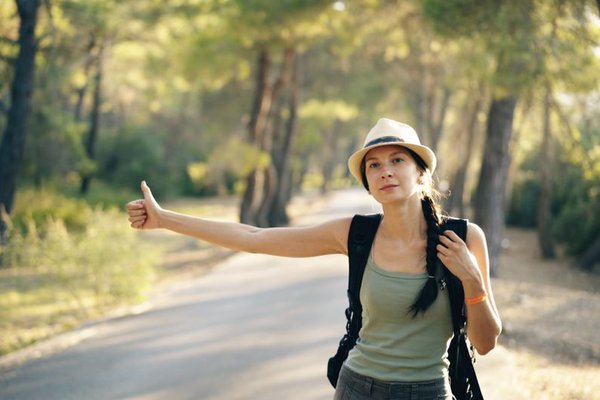
Solo travel across the United States can feel wonderfully freeing: you set the pace, change plans easily, and build a trip around the places that interest you. The best solo travel safety tips for the USA are not built on fear. They rely on preparation, clear boundaries, and habits that reduce avoidable risks without taking the fun out of the experience.
Prepare Before You Leave Home
Traveling alone safely starts before you reach the airport or get behind the wheel. Save digital and offline copies of your identification, bookings, insurance details, and emergency contacts. Keep the copies separate from the originals, and do not store everything in one bag.
For domestic flights, travellers aged 18 and over should confirm that they have identification accepted by the Transportation Security Administration. Since May 7, 2025, a state-issued licence or ID that is not REAL ID-compliant is no longer accepted as regular identification at airport checkpoints. A valid passport is one commonly accepted alternative. Check the TSA list shortly before departure because requirements can change.
Create a basic itinerary and share it with one trusted person. Include transport details, accommodation addresses, planned day trips, and expected check-in times. A short morning or evening message is enough to create a useful safety net.
Choose Accommodation With Arrival in Mind
A cheap room is not a bargain if reaching it requires walking through an unfamiliar area late at night. Check recent comments about the neighbourhood, lighting, front-desk availability, locks, parking, and public transport. View the route from the airport or station before booking.
Whenever possible, arrive during daylight. If a flight lands late, consider an airport hotel or pre-arranged transfer. Confirm holiday rentals through an official website or reputable platform. Be cautious when someone pressures you to pay by wire transfer, gift card, cryptocurrency, or an unfamiliar payment app.
At check-in, avoid saying your room number aloud. Test the door lock, secondary latch, and windows. If something is broken or the room location feels uncomfortable, request a change.
Use Transport Deliberately
Rideshares, Taxis, and Public Transport
Before entering a rideshare, match the licence plate, vehicle, and driver photo with the app. Ask the driver who they are collecting instead of offering your name first. Sit in the rear seat, wear your seat belt, and share the trip through the app when possible.
On buses and trains, stay aware at transfer points and avoid displaying cash or expensive equipment. Download transport maps in advance so you are not standing on a quiet platform trying to work out your route. If a station feels unsafe, move toward staff or a busier area.
Road Trips
Keep the fuel tank comfortably above empty, especially in rural areas. Check tyres, lights, fluids, and roadside-assistance coverage before leaving. Do not advertise that you are alone at rest stops, and avoid sleeping in isolated parking areas unless overnight parking is clearly permitted.
Stay Aware Without Looking Anxious
Situational awareness means noticing exits, lighting, crowd levels, and changes around you. It does not require treating everyone as a threat. Walk with purpose, keep your phone available rather than buried in it, and trust early discomfort. You do not need proof that a situation is dangerous before leaving.
You can be friendly without sharing your hotel, room number, full itinerary, or the fact that nobody expects you back soon. A simple “I’m meeting someone shortly” can end an intrusive conversation.
Alcohol can weaken judgement and make navigation harder. Know your limit, watch your drink being prepared, and plan your return transport before the evening starts.
Protect Your Money, Phone, and Accounts
Carry two payment methods and store them separately. Keep only the cash you expect to use that day accessible, with backup money elsewhere. Turn on transaction alerts so suspicious charges appear quickly.
Update your phone and important apps before travelling, use a strong screen lock, and enable two-factor authentication. Public Wi-Fi is usually safer than it once was because most websites use encryption, but check for “https,” avoid unknown downloads, and confirm the correct network name with staff.
Save offline maps and key addresses. A power bank is useful, but it should not be your only plan. Write your accommodation address and one emergency contact on paper in case the phone is lost, damaged, or out of power.
Take Extra Precautions Outdoors
The USA’s parks, deserts, mountains, coastlines, and forests require location-specific preparation. Check official alerts, weather, trail conditions, permits, water availability, wildlife guidance, and sunset time. The National Park Service advises visitors to leave a trip plan with a trusted contact and warns that a phone is not a substitute for essential equipment because coverage and battery life may fail.
Carry navigation, water, food, sun protection, extra clothing, illumination, and first-aid supplies appropriate to the route. Stay on designated trails and turn back when conditions deteriorate. A scenic viewpoint is never worth pushing through heat illness, lightning, flooding, poor visibility, or exhaustion.
Imagine you planned a sunset hike in Arizona, but the temperature remains extreme and the trail has limited shade. The safer choice is not to “tough it out.” Switch to a shorter early-morning route or an indoor attraction, and tell your contact that the plan changed. Good solo travel precautions include knowing when to replace the original plan.
Know What to Do in an Emergency
In an immediate emergency in the United States, call 911. Give the location first, then explain what happened. If speaking could put you at risk, follow the dispatcher’s instructions and use text-to-911 only where the local service supports it.
If you lose identification, money, or your phone, move to a staffed public place before solving the problem. Contact your bank, mobile provider, accommodation, airline, or local police as relevant. If someone is following you, do not go directly to your room or car; enter a busy business, approach security, or call for help.
Frequently Asked Questions
Is solo travel in the USA safe?
Many people travel alone successfully throughout the USA. Safety varies by neighbourhood, transport, weather, activity, and time of day, so research the exact places on your itinerary rather than judging an entire city or state.
What should I share with an emergency contact?
Share accommodation details, transport bookings, planned outdoor routes, and an agreed check-in schedule. Explain what they should do if you miss a check-in and cannot be reached.
Which places are best for a first solo trip?
Good first-time choices usually have reliable public transport, well-reviewed central accommodation, daytime activities, and straightforward airport connections. Safe solo travel destinations depend on the traveller, so choose a place that matches your confidence, budget, and experience.
Should I tell people I am travelling alone?
Tell trusted contacts and relevant professionals when necessary, but avoid sharing the detail casually with strangers. You can remain sociable while protecting your accommodation and schedule.
Travel With Confidence, Not Complacency
Solo travel safety is less about memorising warnings and more about building reliable routines. Verify bookings, share a plan, protect your transport options, keep digital backups, and leave situations that feel wrong. With those habits in place, you can focus on what solo travel does best: giving you the freedom to experience the USA on your own terms.
