

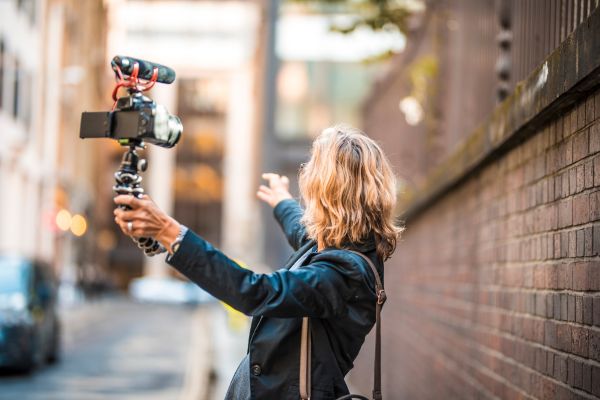
Travel vlogging looks effortless from the outside. A person walks through a lively street market, talks to the camera with calm confidence, cuts to a glowing sunset, then somehow captures the sound of waves, footsteps, laughter, and distant music without the whole thing falling apart. But behind that easy flow is usually a thoughtful setup. Not always an expensive one, but a setup that fits the way the traveler actually moves.
Choosing travel vlogging equipment in 2026 is less about owning every new gadget and more about building a kit that helps you tell better stories without slowing you down. Travel can be unpredictable. Batteries die, bags get heavy, weather changes, and the best moments often happen when there is no time to unpack a full camera system. The right gear should make filming feel smoother, not turn every street corner into a production set.
Start With the Camera That Matches Your Travel Style
The camera is the heart of most travel vlogging equipment, but it does not need to be the biggest or most expensive item in your bag. In fact, many travelers now prefer compact cameras or high-quality smartphones because they are easy to carry and quick to use. A camera that stays in your backpack because it feels too heavy is not very useful, no matter how sharp the footage can be.
For casual travel vlogs, a modern smartphone can be enough, especially if it records stable video, handles low light decently, and has good storage space. It is ideal for street clips, food shots, quick updates, and moments when pulling out a larger camera would feel awkward.
Compact vlogging cameras are a step up for people who want better image quality, stronger autofocus, and a screen that flips toward the creator. They are useful for walking shots, hotel room updates, café scenes, and everyday travel storytelling. Mirrorless cameras offer more creative control and a more cinematic look, but they also require lenses, extra care, and more space in your bag. They suit travelers who enjoy filming as much as traveling itself.
The best camera is not always the one with the highest specs. It is the one you can use quickly, confidently, and consistently.
Audio Matters More Than Most Beginners Expect
A beautiful travel video can quickly lose its charm if the sound is harsh, windy, or difficult to hear. Viewers may forgive slightly shaky footage, but unclear audio often makes them leave. This is why a microphone is one of the most important pieces of travel vlogging equipment, even though it is easy to overlook.
A small wireless microphone is useful when speaking directly to the camera, especially in noisy places like airports, city streets, train stations, or crowded markets. It keeps your voice close and clear while reducing the chaos around you. A compact shotgun microphone can also work well when mounted on a camera, particularly for general travel scenes and natural background sound.
Wind protection is just as important. Beach clips, mountain viewpoints, rooftop cafés, and open bus rides can all sound terrible without a simple wind cover. It may look like a small detail, but it can save an otherwise perfect clip.
Good travel audio does not mean removing every background sound. The hum of a city or the call of a street vendor can add atmosphere. The goal is balance, where your voice is clear and the place still feels alive.
Stabilization Helps Your Footage Feel Watchable
Travel vlogging involves movement. You walk through old towns, climb stairs, sit in moving vehicles, turn corners, and film while carrying bags. Without some kind of stabilization, footage can become tiring to watch.
Many cameras and smartphones now include built-in stabilization, which is enough for simple handheld shots. Still, a small tripod or grip can make a big difference. It helps when filming yourself at a table, recording a time-lapse, or speaking to the camera without holding it at arm’s length. A lightweight tripod is one of those items that seems optional until you actually need it.
Gimbals can create smooth cinematic movement, but they are not necessary for everyone. They take time to balance, charge, and carry. For travelers who film walking tours or polished city sequences, a gimbal can be helpful. For a more natural vlog style, built-in stabilization and a steady grip may be enough.
The point is not to make every shot perfectly smooth. Sometimes a little movement feels real. But the footage should never be so shaky that it distracts from the story.
Lighting Is About Awareness, Not Just Gear
Travel vloggers cannot control the sun, the weather, or the lighting inside every room. That is part of the challenge. Still, understanding light can improve a video more than adding another expensive device.
Morning and late afternoon light usually look softer and warmer, which is why many outdoor travel shots feel better during those hours. Midday sun can be harsh, especially in bright destinations, creating strong shadows on the face. Indoors, hotel rooms and restaurants may look yellow, dark, or uneven.
A small portable light can help in low-light situations, especially when filming in a room, at night, or during a talking segment. It does not need to be large. Even a pocket-sized LED light can make faces look clearer and scenes feel more intentional.
Still, natural light remains the traveler’s best friend. Facing a window, stepping into shade, or turning slightly away from harsh sunlight can change the whole look of a clip. Good lighting often begins with noticing what is already there.
Batteries and Storage Can Save the Whole Day
The least glamorous travel vlogging equipment is often the most important. Extra batteries, power banks, charging cables, and memory cards do not make footage look cinematic, but without them, filming stops.
Travel days are long. You may leave early for a tour, spend hours away from your hotel, and return late at night. Cameras, phones, microphones, lights, and gimbals all need power. A strong power bank is essential, especially for travelers who use their phone for maps, filming, translation, and communication at the same time.
Storage matters too. High-quality video fills space quickly. Extra memory cards or reliable external storage can prevent the stressful moment when the camera says there is no room left. It is also smart to back up footage whenever possible. Travel memories are not easy to recreate.
A simple habit helps: charge everything at night and check storage before leaving in the morning. It sounds basic, but it prevents many problems.
A Practical Bag Makes Filming Easier
A good travel vlogging setup needs a bag that protects gear without making you feel like you are carrying a studio. The best bag depends on the trip. A city traveler may need quick access and anti-theft features. A nature traveler may care more about weather resistance. Someone filming across several countries may need a bag that fits carry-on rules and still keeps equipment organized.
Padded compartments help protect cameras and lenses, but the bag should not be so complicated that you miss moments while searching for things. Gear that is easy to reach gets used more often. Gear buried under clothes and chargers usually stays there.
Comfort matters as much as organization. Long walking days can turn a heavy backpack into a real problem. Many experienced travelers eventually reduce their kit because they realize lighter gear helps them film more freely.
Do Not Forget the Small Accessories
Small accessories often make travel filming smoother. A lens cloth helps with dust, fingerprints, and sea spray. A waterproof pouch protects gear during boat trips or rainy walks. A universal adapter is useful for international travel. A simple clamp or flexible tripod can help place the camera in spots where a normal tripod will not work.
Headphones are also useful for checking audio. Many beginners record whole segments without realizing the microphone was rubbing against clothing or not connected properly. A quick sound check can prevent wasted footage.
These items are not exciting, but they quietly solve problems. Travel filming is full of small challenges, and the right accessory can keep a simple problem from becoming a ruined shot.
Build a Kit You Can Actually Carry
It is tempting to pack every possible tool, especially before an important trip. But heavy gear changes the way you travel. You may avoid long walks, feel nervous in crowded places, or spend more time managing equipment than enjoying the destination.
A strong travel vlogging kit should feel realistic. For some people, that means a smartphone, wireless mic, small tripod, power bank, and light. For others, it means a compact camera, spare batteries, a mini tripod, microphone, and backup storage. More advanced creators may add a drone, action camera, or mirrorless setup, but only when those tools genuinely fit the story they want to tell.
The best travel vlogging equipment is personal. It should match your comfort, your filming style, your destination, and your patience.
Conclusion
Travel vlogging in 2026 is not about carrying the most gear. It is about choosing equipment that helps you capture a place honestly and comfortably. A clear camera, reliable audio, steady footage, enough power, and a practical bag can take you further than a suitcase full of gadgets you barely use.
Good travel videos come from attention, timing, and presence. Equipment supports those things, but it cannot replace them. The real skill is knowing when to press record, when to keep walking, and when to put the camera down so the journey can simply happen.
